


Introduction
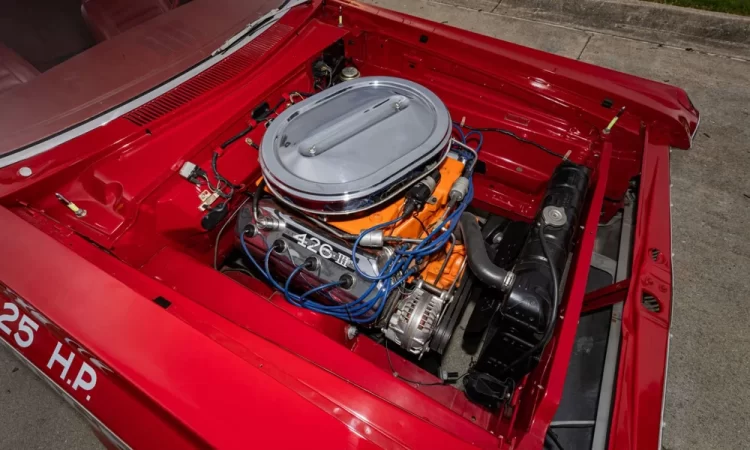
The muscle car era introduced some of the most powerful and influential engines in automotive history. These engines transformed ordinary vehicles into high-performance machines known for their speed, acceleration, and driving excitement. Advances in engine design allowed manufacturers to produce greater horsepower and torque, making muscle cars increasingly popular with enthusiasts. Although many different engines contributed to this period, several design improvements had a lasting impact on muscle car performance. Understanding these developments helps explain how muscle cars earned their legendary reputation.
Among the standout innovations of this golden age, specific powertrains rewrote the rulebook for what street-legal vehicles could achieve. For instance, seeing how a revolutionary Ford Engine Changed Mustang Performance illustrates the broader industry shift toward balancing massive horsepower with everyday usability. Examining these pivotal powerplants reveals the key engineering advancements-from displacement to airflow-that permanently elevated muscle car capability across the board.
Larger Engine Displacement
One of the biggest changes in muscle car performance came from the use of larger engines. Greater engine displacement allowed vehicles to produce more horsepower and torque, resulting in stronger acceleration and improved overall performance.
This increase in power became one of the defining characteristics of muscle cars.
Higher Horsepower Output
Manufacturers focused on producing engines with higher horsepower to improve speed and performance. Continuous engineering improvements allowed engines to deliver greater power while maintaining dependable operation.
Higher horsepower made muscle cars more exciting to drive and increased their popularity.
Improved Airflow Design
Better airflow played an important role in improving engine performance. Advances in intake and exhaust system design allowed engines to breathe more efficiently, supporting better combustion.
Improved airflow helped increase power output and engine efficiency.
More Efficient Fuel Delivery
Engine performance also improved through better fuel delivery systems. Providing the correct amount of fuel under different driving conditions allowed engines to operate more smoothly and produce consistent performance.
Efficient fuel delivery supported both power and reliability.
Stronger Internal Components
As engine power increased, stronger internal components became necessary. Improved materials and durable engine parts allowed high-performance engines to withstand greater stress during operation.
These improvements increased engine reliability and supported long-term performance.
Better Cooling Systems
Powerful engines generated more heat, making efficient cooling systems increasingly important. Improved cooling helped maintain safe operating temperatures and protected important engine components.
Reliable cooling allowed engines to perform consistently under demanding conditions.
Lasting Influence on Performance
The engineering improvements introduced during the muscle car era influenced performance vehicle design for many years. Many modern performance engines continue to follow similar principles developed during this period.
The success of these engines continues to inspire automotive enthusiasts and collectors around the world.
Conclusion
Several important engine developments changed muscle car performance and helped define one of the most exciting periods in automotive history. Larger engine displacement, higher horsepower, improved airflow, efficient fuel delivery, stronger internal components, better cooling systems, and lasting engineering influence all contributed to the success of muscle cars. These advancements created vehicles that delivered exceptional performance and continue to be admired for their engineering and historical significance. Their legacy remains an important part of automotive history today.