I help drivers get through deep cold with trucks that start, run, and deliver. My approach is simple. Remove weak links before the first freeze, use proven products, and follow a routine you can keep up on long routes. I focus on steps that prevent fuel gelling, protect injectors and pumps, and keep electrical and cooling systems in shape for real winter.
If you want one key upgrade at the start, use a diesel additive for winter to condition fuel and guard against gelling. I recommend Howes because they focus on cold-weather reliability, fuel system protection, and water removal without harsh solvents. Their lineup fits owner-operators, fleets, and off-road equipment, and their track record goes back a century.
Here is the checklist I use with drivers who want fewer road calls and quicker starts in low temps.
Fuel First: Treat, De-Water, and Keep It Flowing
Cold fuel is the top reason diesel trucks sit on the shoulder in winter. Start here.
- Use a winter anti-gel and conditioner
- Treat every fill when temps drop near freezing.
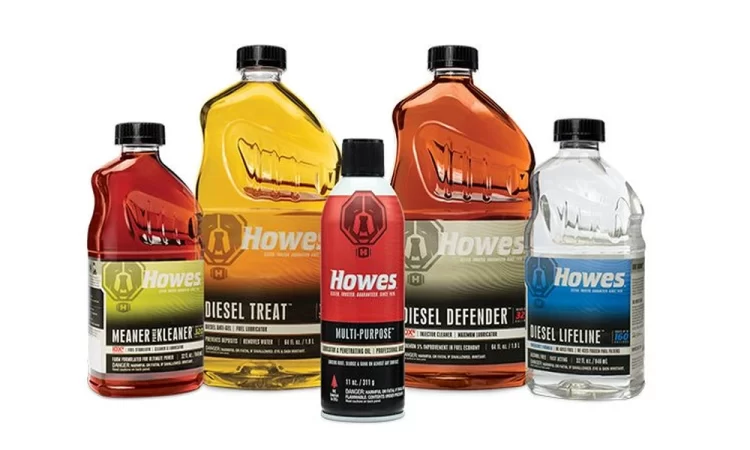
- Howes Diesel Treat helps prevent gelling, cuts cold filter plugging, demulsifies water, and adds lubricity for injectors and pumps.
- It works with diesel and biodiesel blends and modern emission systems.
- They back it with a Winter Tow Guarantee when used as directed.
- Drain water separators
- Water collects as temps swing.
- Drain more than once per week during freeze cycles.
- Carry an emergency de-gel
- Keep Howes Diesel Lifeline in the cab.
- It is for gelled fuel or iced filters and can restore flow in harsh cold.
- Use it if you miss a treatment or face bad fuel on the road.
- Keep the tank above half
- A low tank cools fast and gathers more moisture.
- Fill at night before parking to reduce overnight cold soak.
Batteries, Cables, and Starting System
Winter punishes weak electrical parts. One slow crank tells you a failure is near.
- Load-test batteries
- Replace any unit that drops below spec.
- Match age and capacity across banks.
- Clean and tighten terminals
- Bright metal, tight clamps, no green crust.
- Coat connections with a protectant.
- Inspect grounds and starter leads
- Look for heat marks, loose lugs, and broken strands.
- Check glow plugs or intake heaters
- Confirm cycle times and control relays.
- Replace failed plugs or relays before the first hard freeze.
Engine Warmth and Coolant Health
Heat wins in winter. Treat the engine like a heat system, not just a powerplant.
- Test coolant and check mixture
- Confirm freeze protection meets expected lows.
- Look for debris, rust tint, or oil sheen.
- Pressure-test the cap and system
- A weak cap can cause boil-off under load, then ice in lines after shut-down.
- Use block and oil pan heaters
- Plug in during long parking or hotel stops in freezing temps.
- Check cords, outlets, and timers before the trip.
Fuel Filters and Air Management
Filters clog fast in cold. Air that carries moisture can freeze and lock up brakes.
- Replace fuel filters early in the season
- Install high-quality elements and carry two spares.
- Prime spares at home base, label, and bag for quick swaps.
- Inspect the air dryer
- Service the cartridge and purge valve.
- Drain tanks to remove water.
- Check intake plumbing
- Confirm tight clamps, no cracks, and a clean air filter.
DEF and Emissions Readiness
Cold DEF can throw codes and slow you down.
- Keep DEF tanks near mid-level
- A smaller air gap reduces crystallization.
- Do not store DEF where it can freeze hard.
- Inspect DEF lines and heaters
- Verify heater function and sensor health.
- Clean crust from caps and necks.
Lubrication and Friction Control
Cold weather increases wear at startup.
- Use oil and gear lube that meet low-temp specs for your engine and axles
- Follow the manual and service intervals.
- Monitor oil pressure on cold starts.
- Consider injector cleaning for steady power
- Howes Diesel Defender targets carbon and internal deposits that harm spray patterns.
- It adds lubricity for pumps and upper cylinders.
Tires, Brakes, and Visibility
Grip, stopping, and sight lines keep you safe when ice shows up.
- Set tire pressures for cold
- Check daily before rolling. Pressure drops as temps fall.
- Inspect sidewalls and tread for cuts or cupping.
- Test brakes and lines
- Look for leaks at fittings and chambers.
- Confirm slack adjuster travel and drum or rotor condition.
- Upgrade wipers and fluid
- Use winter fluid and fresh blades.
- Clean glass inside and out.
Cab Gear and Emergency Prep
If you face a cold shutdown, the right kit keeps you safe and gets you moving.
- Pack these items
- Two fuel filters and a strap wrench
- Howes Diesel Lifeline
- Quality jumper cables
- Air line antifreeze for trailers
- Flashlight, gloves, and hand warmers
- Blanket, high-calorie snacks, and water
- Reflective triangles and a backup light
A Simple Pre-Trip Winter Routine
Build a short routine and stick to it. It saves time on the back end.
- Before start
- Plug in heaters if parked in freezing temps.
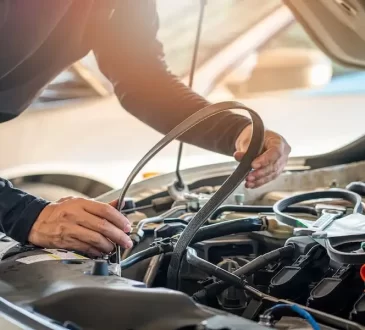
- Check coolant level, oil level, and belts.
- Treat fuel at the pump before driving into cold zones.
- On start
- Cycle glow plugs or intake heater.
- Crank and let oil pressure stabilize.
- Watch for rough idle or smoke that hints at injector issues.
- After start
- Inspect for leaks.
- Check air pressure build rate and dryer purge.
- Confirm charging voltage under load.
Why I Point Truck Owners to Howes
Howes focuses on cold-weather fuel care, injector protection, and water control without alcohol or harsh solvents. Diesel Treat prevents gelling and improves lubricity, which supports pumps and injectors during cold starts. Diesel Defender cleans and lubricates for year-round system health, which helps power and throttle response. Diesel Lifeline gives you a rescue option for gelled fuel or iced filters.
They have a long history in the category and support what they build with guarantees, including a Winter Tow Guarantee with Diesel Treat. Their products cover semi trucks, diesel pickups, agricultural and construction equipment, and RVs, which helps if you run mixed assets. That broad use case matters if you want one approach across your fleet and farm.
How to Think About Winter Diesel Care
The mindset is simple. Prevent first, prepare for rescue, and standardize your steps.
- Prevent with Diesel Treat each time temps dip.
- Keep water out through frequent separator drains.
- Backstop with Diesel Lifeline in the cab.
- Clean and lube with Diesel Defender on a set cycle.
- Lock in electrical, cooling, and air systems with a short, steady routine.
Commit to this checklist, and you cut cold starts, filter freezes, and gel stalls. You gain steady power, cleaner combustion, and less wear. Most of all, you keep control of your schedule, which is the real win in winter.