Keeping a fleet in top condition isn’t just the job of your shop or maintenance team-your drivers play a crucial, front-line role in identifying problems before they become expensive repairs. When drivers know how to spot early maintenance needs, your fleet experiences less downtime, fewer breakdowns, and improved safety across every route.
For companies that rely on fleet trucks daily, establishing a structured driver-training program is one of the smartest long-term investments you can make. Below, we break down effective, practical ways to train your drivers to become proactive in identifying maintenance concerns.
1. Start With Clear, Easy-to-Follow Inspection Checklists
Drivers must know exactly what to look for during pre-trip and post-trip inspections. One of the most effective tools is a simple checklist that highlights the most common issues fleet trucks experience.
Your checklist should include:
- Tire condition and pressure
- Fluid levels (oil, coolant, brake, DEF, power steering)
- Brake responsiveness
- Dashboard warning lights
- Leaks under the vehicle
- Steering and suspension behavior
- Unusual exhaust smoke
- Lights, signals, and electrical components
The goal is not to overwhelm drivers but to give them a consistent routine they follow every single day.
2. Use Hands-On Training, Not Just Written Instructions
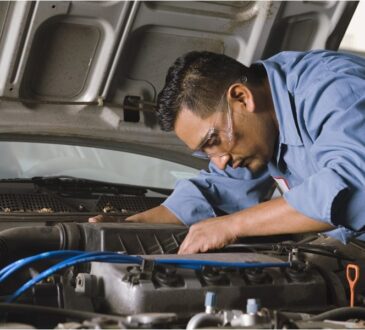
Written manuals are helpful-but hands-on training is where drivers truly learn. Bring your drivers to the truck, open the hood, point to each component, and explain what a “normal” condition looks like versus a warning sign.
Examples include:
- Showing drivers what worn brake pads look like
- Demonstrating the sound of belt wear
- Letting them see real examples of fluid leaks
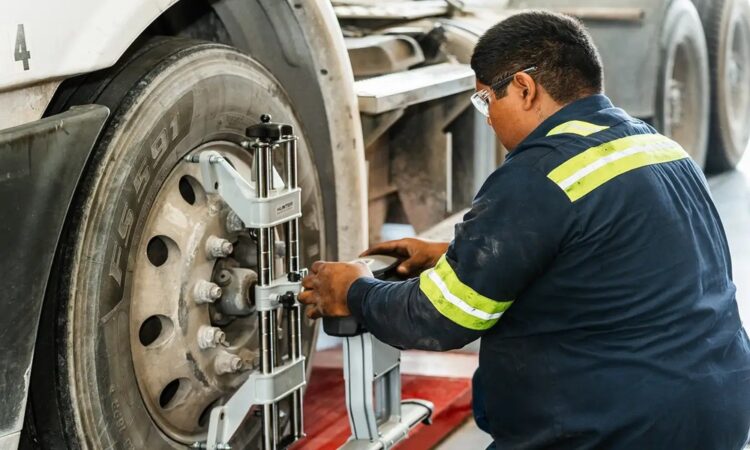
- Teaching them how to spot uneven tire wear patterns
People learn better through experience, and hands-on instruction prepares drivers to identify real-world issues quickly.
3. Encourage Drivers to Report Issues Immediately
Training is only effective if drivers feel comfortable reporting what they find. Set the expectation that no issue is too small to mention, even if the truck still runs.
Create a simple communication process:
- A digital reporting form or mobile fleet app
- A standardized defect-tagging system
- Quick response from your maintenance team to build driver trust
When drivers see fast action taken after reporting, they’re more likely to stay engaged and proactive.
4. Teach Drivers How to Identify Early Warning Signs
Many serious repairs begin as minor symptoms that go unnoticed. Drivers should be trained to pay attention to early indicators, such as:
- Vibrations at certain speeds
- Soft or spongy brakes
- Delayed gear shifting
- Burning or unusual odors
- Reduced power during acceleration
- Irregular engine noise
Teaching drivers that “small signs lead to big problems” encourages earlier reporting and prevents costly breakdowns on the road.
5. Use Technology to Support Driver Awareness
Modern fleet trucks are equipped with advanced systems that help identify maintenance needs. Drivers should understand how to read and interpret:
- Tire pressure monitoring system (TPMS) alerts
- Engine codes and warning lights
- Telematics maintenance notifications
- Oil change or service interval reminders
Training drivers to trust these tools ensures they react quickly when a system flags an issue.
6. Conduct Regular Refresher Training to Maintain Quality
Driver training isn’t a one-time event. Set up recurring sessions to reinforce good habits, introduce updated procedures, or discuss trends your maintenance team is noticing.
Examples of refresher training topics:
Refresher programs help maintain a high standard of awareness across your entire fleet.
Final Thoughts
Your fleet’s reliability depends just as much on driver awareness as it does on your in-house mechanics. By giving drivers the tools, confidence, and training they need to spot maintenance concerns early, your company can dramatically reduce downtime, prevent emergencies, and improve driver safety.
A well-trained driver isn’t just operating a fleet truck-they’re protecting your business every mile of the way.
This post was written by a professional at Colorado Fleetworks. Colorado Fleetworks provides dependable fleet truck repair Golden CO for Sprinter Vans, Dodge Rams, and Ford Transits with engine and transmission repair, Mercedes A & B service, fleet alignments, brake and transmission services, fluid flushes, tire and wheel repairs, and body damage repair.