Owning a vehicle comes with the responsibility of keeping it in good working condition. While many drivers focus only on repairs after a problem appears, regular maintenance plays a major role in preventing costly issues and extending the lifespan of a car. Routine inspections and servicing allow mechanics to identify early signs of wear before they turn into serious mechanical failures. Drivers searching for dependable automotive repair philadelphia services often discover that preventive care can save both time and money over the long term.
The Importance of Consistent Oil Changes
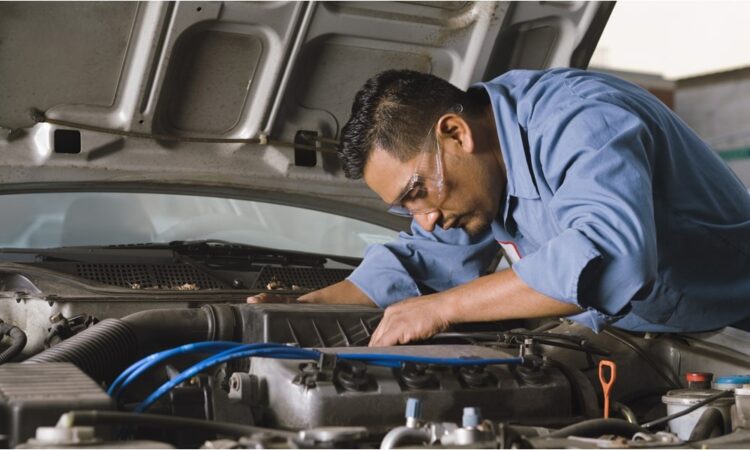
Engine oil acts as a lubricant that reduces friction between moving parts. Over time, oil becomes dirty and loses its effectiveness, which can cause excess heat and wear inside the engine. Regular oil changes help maintain smooth engine performance and improve fuel efficiency. Clean oil also prevents harmful buildup that may shorten the life of critical engine components.
Vehicle manufacturers provide recommended intervals for oil service, but driving conditions such as stop-and-go traffic, frequent short trips, and extreme weather may require more frequent maintenance.
Protecting Tires for Better Performance
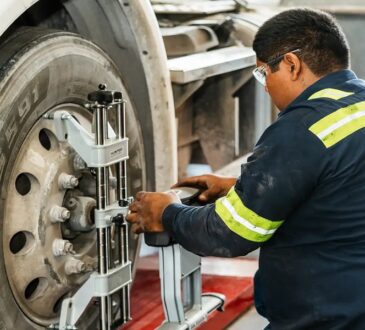
Tires experience constant stress from road conditions, temperature changes, and vehicle weight. Regular tire rotations help ensure even tread wear and improve handling stability. Proper tire inflation also supports fuel economy and reduces strain on the suspension system.
Drivers who ignore tire maintenance may experience uneven wear patterns, poor traction, and reduced braking performance. Checking tire condition regularly can help prevent unexpected blowouts and improve overall road safety.
Why Brake Inspections Matter
The braking system is one of the most important safety features in any vehicle. Brake pads naturally wear down with use, and delaying replacement can damage rotors and other braking components. Routine brake inspections help drivers avoid expensive repairs while maintaining reliable stopping power.
Grinding sounds, reduced responsiveness, or vibrations during braking are signs that should be inspected immediately. Addressing brake issues early can help preserve the integrity of the entire braking system.
Maintaining Fluids Beyond Engine Oil
Modern vehicles rely on several essential fluids, including coolant, transmission fluid, brake fluid, and power steering fluid. Each fluid serves a different function that contributes to smooth and efficient vehicle operation.
Coolant helps regulate engine temperature, while transmission fluid supports smooth gear shifting. Neglecting fluid maintenance may lead to overheating, transmission problems, or steering difficulties. Periodic fluid checks help technicians detect leaks, contamination, or declining fluid quality before damage occurs.
Battery and Electrical System Care
A vehicle’s electrical system powers everything from headlights to ignition components. Battery performance naturally weakens over time, especially in extreme temperatures. Routine testing helps identify weak batteries before they fail unexpectedly.
Corroded batteryv terminals, dim lights, or slow engine cranking may indicate electrical problems that require professional attention. Preventive maintenance helps ensure dependable starting power and reliable electrical performance throughout the year.
Small Repairs Can Prevent Major Expenses
Many vehicle problems begin as small issues that gradually become more serious when ignored. Minor leaks, worn belts, or unusual vibrations may seem harmless at first, but delaying service often leads to more extensive repairs. Staying consistent with scheduled maintenance helps drivers protect their investment, improfve reliability, and enjoy safer driving experiences for years to come.