

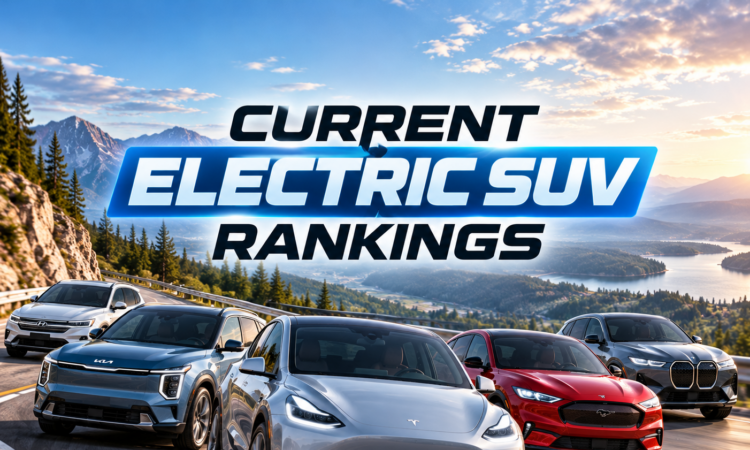
Finding the best affordable electric SUV 2026 is easier than it was only a few years ago because several new EVs now combine useful range, fast charging, and crossover practicality at prices that no longer begin near luxury-car territory. The important part is deciding what ‘affordable’ means for your budget, because a low starting price can be offset by trim upgrades, insurance, home charging equipment, or poor efficiency.
Car and Driver’s current electric SUV rankings group EVs by size and price and score them using instrumented testing plus real-world impressions. Its affordability list currently includes the 2027 Chevrolet Bolt at the very top, but shoppers focused specifically on 2026 model-year vehicles have strong choices such as the Nissan Leaf, Hyundai Ioniq 5, Chevrolet Equinox EV, Toyota bZ, Kia EV6, Ford Mustang Mach-E, and Tesla Model Y.
Which Affordable Electric SUVs Stand Out for 2026?
| 2026 model | Starting price shown by C/D | EPA-est. range | C/D rating | Main strength |
| Nissan Leaf | $31,565 | 259-303 miles | 9/10 | Low entry price with much-improved range |
| Toyota bZ | $36,495 | 236-314 miles | 7.5/10 | Updated charging and strong max range |
| Hyundai Ioniq 5 | $36,650 | 245-318 miles | 9.5/10 | Fast charging, roomy cabin, strong all-rounder |
| Chevrolet Equinox EV | $36,795 | 319 miles | 8.5/10 | Long range for the money |
| Kia EV6 | $39,445 | 237-319 miles | 9/10 | Fast charging and enjoyable driving |
| Ford Mustang Mach-E | $39,840 | 240-280 miles | 8.5/10 | Good road manners and broad availability |
| Tesla Model Y | $41,630 | 294-357 miles | 9/10 | Long range and extensive charging access |
The prices and ranges above are those currently shown on Car and Driver’s 2026 electric SUV ranking pages. Trim, destination charges, incentives, and later pricing changes can alter the actual transaction price.
What Is the Cheapest 2026 Electric SUV in the Ranking?
Among the 2026 model-year SUVs shown in Car and Driver’s current affordability ranking, the Nissan Leaf has the lowest starting price at $31,565. The all-new Leaf is important because Nissan transformed it from a traditional hatchback into a small crossover with a more contemporary cabin and significantly better range.
Car and Driver lists 259 to 303 miles of EPA-estimated range, making the new Leaf much easier to recommend as a primary vehicle than older short-range versions.
Why the 2027 Chevrolet Bolt Still Matters to 2026 Shoppers
Car and Driver’s current ‘Most Affordable Electric SUVs’ list ranks the 2027 Chevrolet Bolt first at $28,995 with 262 miles of estimated range. It is not technically a 2026 model, so it should not be called the best 2026 EV SUV.
Anyone shopping late in 2026 may still want to compare it. A sub-$30,000 starting price could reset expectations for entry-level EV value.
Hyundai Ioniq 5: One of the Best Values, Not Just One of the Cheapest
The Hyundai Ioniq 5 starts around $36,650 in Car and Driver’s current ranking and earns a 9.5/10 rating. Its key advantage is that it combines reasonable pricing with technology that usually appears in more expensive EVs.
Depending on configuration, the Ioniq 5 offers 245 to 318 miles of range. Its high-voltage architecture supports very fast DC charging, and its long wheelbase creates generous interior space.
Who Should Choose the Ioniq 5?
It fits buyers who want one EV to handle commuting, family use, and road trips without feeling like a stripped-down budget model. The Ioniq 5 costs more than the Leaf, but its charging performance and cabin packaging can justify the difference for drivers who travel beyond their home-charging radius frequently.
Chevrolet Equinox EV: Strong Range for the Price
The 2026 Chevrolet Equinox EV starts at about $36,795 on Car and Driver’s ranking page and carries a 319-mile EPA-estimated range figure. That combination makes range-per-dollar one of its strongest arguments.
The Equinox EV focuses on useful space, long range, mainstream pricing, and familiar crossover proportions rather than luxury or performance.
Toyota bZ: More Competitive After Major Updates
The renamed 2026 Toyota bZ starts around $36,495 and is listed with 236 to 314 miles of EPA-estimated range. It replaces the awkward bZ4X name while bringing meaningful improvements in range, charging, styling, and usability.
Toyota’s biggest advantage is familiarity for buyers who already trust the brand. The bZ may not match the Ioniq 5 or EV6 for charging speed, but its updated range makes it more competitive.
Kia EV6: Affordable Enough to Consider, Premium Enough to Keep
The 2026 Kia EV6 starts around $39,445 and receives a 9/10 rating from Car and Driver. Like the Ioniq 5, it benefits from Hyundai Motor Group’s fast-charging electrical architecture.
Its EPA-estimated range spans roughly 237 to 319 miles depending on configuration. The EV6 also has a more driver-focused feel than many budget-minded electric crossovers, making it appealing to buyers who do not want efficiency to come at the cost of responsive handling.
Tesla Model Y: Higher Starting Price but Excellent Range
The refreshed 2026 Tesla Model Y starts around $41,630 in Car and Driver’s under-$45,000 ranking and offers approximately 294 to 357 miles of EPA-estimated range.
Its price is higher than several rivals, but the longest-range Model Y can travel farther per charge, and Tesla’s route planning and charging access remain useful for road trips.
Ford Mustang Mach-E: A Mainstream Alternative With Familiar Road Manners
The 2026 Mustang Mach-E starts around $39,840 and offers roughly 240 to 280 miles of EPA-estimated range according to Car and Driver’s ranking. It remains one of the more familiar EV choices for shoppers moving from a conventional gasoline crossover.
The Mach-E offers balanced handling and a broad lineup, although its maximum range is lower than some similarly priced rivals.
How Should You Define ‘Affordable’ When Buying an EV?
Sticker price is only one part of affordability. Charging, electricity rates, insurance, tires, financing, and annual mileage also matter.
The U.S. Department of Energy’s electric vehicle ownership guidance explains that battery-electric vehicles have fewer moving powertrain parts than gasoline vehicles and do not require oil changes, but they still need tires, brakes, coolant checks, cabin filters, and other routine maintenance.
Home charging can improve the economics because residential electricity is often cheaper and more predictable than frequent public fast charging.
Range Is Important, but Charging Speed Can Matter More
Two EVs with similar range can feel very different on a road trip because charging curve, charger availability, preconditioning, and route planning affect stop time.
This is where the Ioniq 5 and EV6 stand out. Their high-voltage systems can recover substantial range quickly at a powerful DC fast charger. A slower-charging EV can still be excellent for local driving if it starts every morning from a full home charge.
What About Federal EV Incentives?
Do not assume a vehicle automatically qualifies for a federal incentive. Eligibility can depend on sourcing, assembly, income, price caps, and whether it is purchased or leased.
Before calculating your budget, check current eligibility through FuelEconomy.gov’s federal tax credit guidance and confirm with the seller or a tax professional. Incentive rules can change and may differ between purchases and leases.
What Should You Check Before Buying an Affordable Electric SUV?
- Compare the price of the trim you actually want, not only the advertised base model.
- Choose enough real-world range for your routine plus a comfortable weather and highway-speed buffer.
- Check home-charging installation cost before delivery.
- Compare DC fast-charging speed if you regularly take road trips.
- Get an insurance quote because EV premiums can vary substantially by model.
- Check cargo space and rear-seat comfort with your family rather than relying only on exterior dimensions.
- Review warranty coverage for the battery, electric motors, and general vehicle.
Which Affordable EV SUV Fits Different Buyers?
| Buyer priority | Strong 2026 choice | Why |
| Lowest 2026 starting price | Nissan Leaf | Starts near $31,565 with up to 303 miles |
| Best all-round value | Hyundai Ioniq 5 | High C/D rating, fast charging, roomy cabin |
| Longest range near $37K | Chevrolet Equinox EV | 319-mile range at a mainstream price |
| Toyota brand familiarity | Toyota bZ | Improved range and charging for 2026 |
| Driving enjoyment | Kia EV6 | Fast charging with sharper road manners |
| Longest range under $45K | Tesla Model Y | Up to 357 miles in C/D’s current listing |
| Wait-for-it budget option | 2027 Chevrolet Bolt | Sub-$30K starting price, but not a 2026 model |
Frequently Asked Questions About Affordable Electric SUVs
What Is the Best Affordable Electric SUV for 2026?
There is no single answer for every buyer. The Nissan Leaf has the lowest 2026 starting price among Car and Driver’s leading affordable EV SUVs, while the Hyundai Ioniq 5 offers one of the strongest combinations of rating, range, fast charging, and interior space.
Which 2026 Electric SUV Has the Best Range for the Money?
The Chevrolet Equinox EV is particularly strong, with a starting price around $36,795 and a 319-mile EPA-estimated range on Car and Driver’s current ranking. The Tesla Model Y offers even more maximum range but starts higher.
Should I Wait for the 2027 Chevrolet Bolt?
If your purchase timing is flexible and lowest entry price is the priority, it is worth comparing. Car and Driver lists the returning Bolt at $28,995 with 262 miles of range, but it belongs to the 2027 model year.
Is a Cheap EV Always the Cheapest EV to Own?
No. Purchase price is only part of total ownership cost. Charging rates, insurance, tire wear, depreciation, financing, incentives, and how many miles you drive can change the result.
What Is the Bottom Line?
For shoppers focused strictly on 2026 model-year vehicles, the affordable electric SUV market has several credible options. The Nissan Leaf is the price leader, the Chevrolet Equinox EV offers standout range for its price, and the Hyundai Ioniq 5 is arguably the strongest all-round package because it combines range, fast charging, space, and a high Car and Driver rating.
The right choice depends on more than the lowest MSRP. Compare the exact trim, charging routine, highway range, insurance, cargo needs, and home-charging setup. Late-2026 shoppers should also keep the 2027 Bolt in mind because of its sub-$30,000 starting price.







[…] MSRP range of roughly $60,605 to $79,140, with six- or seven-passenger seating, 311 to 335 miles of EPA-estimated range, and a 110.3-kWh battery. Convincing buyers to enter Hyundai through a large […]