Introduction
Understanding Specialised Transportation
Businesses often need to move goods, equipment, and materials from one location to another. While standard trucks can handle many shipments, some cargo requires special transportation solutions. Heavy machinery, oversized equipment, fragile items, and unusually shaped loads may need specialised vehicles, trailers, and handling methods.
Businesses should assess their transportation needs carefully when a shipment has unusual weight, dimensions, or handling requirements. Choosing specialized transportation can provide access to suitable vehicles, trailers, loading equipment, and experienced handling methods that may not be available through standard freight options. Considering these factors before scheduling a shipment can help businesses protect their cargo, manage route challenges, and reduce the likelihood of delays or complications.
Specialised transportation is designed to manage shipments that cannot be safely or efficiently moved using regular freight services. Choosing the right solution can help businesses reduce risks, avoid delays, and protect their cargo throughout the journey.
Moving Heavy Equipment
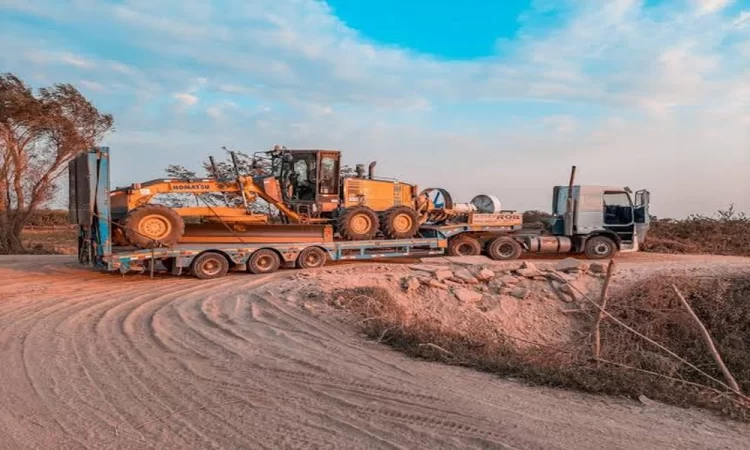
Businesses in construction, manufacturing, agriculture, and other industries often need to transport heavy equipment. Excavators, loaders, generators, industrial machines, and similar equipment can be too heavy for standard trailers.
Specialised transportation provides vehicles with the required weight capacity and suitable deck space. Some equipment may also need low-deck trailers to provide better stability and clearance while travelling. Proper planning helps ensure that the equipment can be loaded, transported, and unloaded safely.
Transporting Oversized Cargo
Some shipments are too large in length, width, or height to fit within standard transportation limits. Large structures, construction components, tanks, and industrial equipment may fall into this category.
Oversized cargo requires careful route planning because bridges, narrow roads, low clearances, and weight restrictions can affect the journey. Businesses may also need special permits and additional safety arrangements. Planning the route before transportation begins can help prevent unexpected problems and delays.
Handling Fragile or Valuable Shipments
Sensitive machinery, large electronic equipment, artwork, and other delicate items may require additional protection during transportation.
The cargo should be packed, positioned, and secured according to its specific requirements. Operators may also need to consider road conditions, vibration, weather, and handling procedures.
When Standard Transportation Is Not Enough
Businesses should consider specialised transportation when their shipment has unusual weight, dimensions, handling requirements, or safety concerns. Using a standard vehicle simply because it is available may create unnecessary risks.
The right transportation solution should match the cargo rather than forcing the cargo to fit a standard setup. Businesses should review the shipment details, loading requirements, route conditions, and delivery location before selecting the appropriate equipment.
Importance of Careful Planning
Successful specialised transportation depends on detailed preparation. Businesses should accurately measure the cargo and confirm its weight before choosing a vehicle. Loading and unloading arrangements should also be planned.
The cargo must be properly secured, and the vehicle should be inspected before departure. During longer journeys, the load may need to be checked again to ensure that everything remains secure. Good communication between the business, transport operator, and other parties can also help keep the shipment on schedule.
Conclusion
Specialised transportation solutions are important when businesses need to move cargo that is heavy, oversized, fragile, valuable, or difficult to handle. By selecting suitable equipment, planning routes carefully, meeting permit requirements, and securing cargo properly, businesses can reduce transportation risks. Careful preparation helps complex shipments reach their destinations safely, efficiently, and with fewer unexpected delays.