The sun shines bright over the vast California landscape today. You see the golden fields stretching toward the distant horizon. This beautiful scenery hides a harsh reality for local drivers. Intense heat and dry air create a brutal environment for cars. Your tires face a constant battle against the elements here. This unique climate accelerates the natural aging process of rubber. Now you must understand the science behind this rapid degradation. Brandon’s Transmission & Auto Repair observes these patterns across the entire region every single year. Protecting your vehicle starts with knowing these environmental hidden dangers.
Thermal Expansion and Internal Stress
High temperatures cause the air inside tires to expand rapidly. This internal pressure puts immense stress on the rubber walls. The heat from the asphalt transfers directly into the tread. Now the rubber becomes softer and more prone to wear. Long drives on boiling highways increase the internal tire temperature. Friction adds even more heat to an already hot situation. The structural integrity of the tire begins to weaken over time. You should check your tire pressure during the early morning. Proper inflation helps the rubber resist these extreme thermal changes. Auto Repair in Bakersfield, CA provides essential services for these specific climate issues.
Low Humidity and Rubber Dehydration
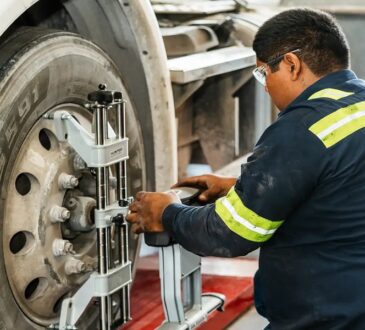
Flexible tires are necessary for safe stopping and smooth turning. Dry rot can settle into the grooves of the tread. The chemicals that keep rubber soft simply evaporate into air. You cannot reverse this dehydration once the damage is done. Brandon’s Transmission & Auto Repair identifies these signs of aging during routine safety inspections. Moist air helps rubber stay supple for a longer time.
Ozone Concentration and Chemical Breakdown
Ozone levels stay high in the trapped valley air currents. This gas reacts poorly with the polymers in your tires. Now the ozone attacks the rubber at a molecular level. This reaction causes the rubber to split and crack deeply. The heavy valley air holds these pollutants near the ground. You see the results in tires that age prematurely today. These chemical changes happen even when you are not driving. Stagnant air allows the ozone to sit on the rubber. This environmental factor is unique to the geography of this region. Local conditions require more frequent checks than cooler coastal areas.
Conclusion
The Central Valley climate poses a serious threat to tires. High heat and dry air work together against the rubber. You must stay vigilant to keep your vehicle running safely. Monitoring your tires will save money and prevent future accidents. The sun is powerful but your maintenance can be stronger. Always watch for the early signs of rubber aging today. Your safety depends on the quality of your four tires. Taking action now protects you during the long summer drives.