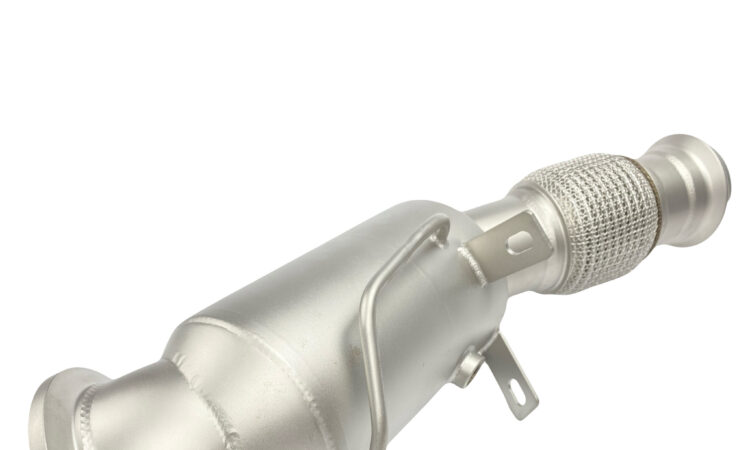
For enthusiasts driving the latest BMW 3 Series, one of the most effective modifications for performance and sound is a downpipe upgrade. Owners of the bmw 330i g20 downpipe models, as well as the hybrid variants, often look for a way to improve exhaust flow, unleash more power, and create a sportier driving experience. Replacing the restrictive factory unit with a high-flow alternative offers exactly that.
Why Upgrade the Downpipe?
The factory downpipe is designed with strict emissions and noise standards in mind, which often limits performance. A performance downpipe reduces backpressure, allowing exhaust gases to exit more freely. For drivers of the g20 330i downpipe configuration, this means faster turbo spool, better throttle response, and the potential for significant horsepower gains when combined with ECU tuning.
In addition, the sound profile of the car changes. The exhaust note becomes deeper and more aggressive, enhancing the sporty character of the 3 Series without compromising everyday drivability.
Catted vs. Catless Options
When choosing a g20 330i b48 downpipe, there are two main options:
Catted downpipe – Includes a high-flow catalytic converter that balances performance and emissions. This version still reduces restrictions compared to stock while offering a cleaner exhaust and less odor.
Catless downpipe – Provides the maximum flow and performance potential, but it also increases exhaust volume, may trigger warning lights, and is typically for off-road or track use only.
The decision depends on whether the vehicle is mainly for street use or if it’s primarily a performance project.
Material and Build Quality
A well-designed g21 330e downpipe is usually made from stainless steel, ensuring durability against heat and corrosion. Precision welding and correct fitment are essential to avoid leaks and ensure the part integrates seamlessly with the rest of the exhaust system. High-end downpipes are designed to be a direct bolt-on replacement, so installation is straightforward with the right tools and experience.
Performance Gains You Can Expect
For the bmw g20 g21 330i 330e downpipe, typical performance improvements include:
- Horsepower gains in the range of 15–30 hp, depending on supporting modifications.
- Sharper turbo response and reduced lag, making the car feel more agile.
- A stronger mid-range pull, which improves acceleration during overtaking or spirited driving.
- A more dynamic and sporty exhaust note.
When paired with ECU tuning, these benefits are amplified even further. The ECU can be recalibrated to take full advantage of the freer-flowing exhaust, optimizing air-fuel ratios and turbo pressure.
Things to Keep in Mind
Before installing a performance downpipe, it’s important to consider local regulations. Many regions have strict rules about emissions equipment, and removing or modifying the catalytic converter may not be legal for road use. While a high-flow catted version can provide a compromise, it may still not meet every emissions standard. Always confirm before upgrading.
Another point is sound. While enthusiasts enjoy the deeper and louder tone, some drivers may find it too aggressive for daily commuting. Choosing the right setup depends on your balance between comfort and sportiness.
Upgrading to a performance downpipe is one of the most rewarding modifications for BMW’s 3 Series. Whether you own a bmw 330i g20 downpipe, are considering a g20 330i downpipe with the B48 engine, or drive the hybrid variant with a g21 330e downpipe, the transformation is impressive. The bmw g20 g21 330i 330e downpipe delivers more power, better response, and a sportier sound that makes every drive more exciting.
For drivers seeking to unlock the full potential of their turbocharged engine, a downpipe upgrade remains a must-have modification.