Understanding the Essentials: What Makes a Race Car Trailer Stand Out?
Key Features: Storage, Durability, and Design
When it comes to selecting a race car trailer, understanding its essential features can significantly sway your purchasing decision. The first aspect to consider is storage capability. A well-designed race car trailer should not only accommodate your vehicle but also provide ample space for additional gear, tools, and equipment necessary for racing. Look for trailers with built-in cabinets, spacious compartments, and adjustable shelving that can maximize your storage capacity, ensuring everything you need is within arm’s reach. Models with specialized tool storage areas, tire racks, and even workbenches can dramatically enhance logistics on race day.
Next, durability is a non-negotiable requirement. The trailer material should withstand the rigors of frequent travel, varying weather conditions, and the weight of the vehicle itself. Most race car trailers are constructed from heavy-duty aluminum or steel, with aluminum being lighter and resistant to corrosion while steel offers superior strength. Pay attention to the frame construction, suspension system, and the quality of the axles and brakes; these elements are crucial for stability during transport and the security of your race car. Finally, the design should not be overlooked; a well-designed trailer not only serves a functional purpose but can also reflect your personal style or brand, considering custom graphics or paint jobs that distinguish your trailer on the track.
Types of Race Car Trailers: Which One Suits Your Style?
The variety of race car trailers available can be overwhelming, but they generally fall into several main categories: open trailers, enclosed trailers, and specialty trailers. Open trailers are the simplest and most cost-effective, allowing easy access for loading and unloading. They’re perfect for those who race frequently and desire a lightweight, budget-friendly option. However, be mindful of your race car’s exposure to the elements since it lacks protection during transit.
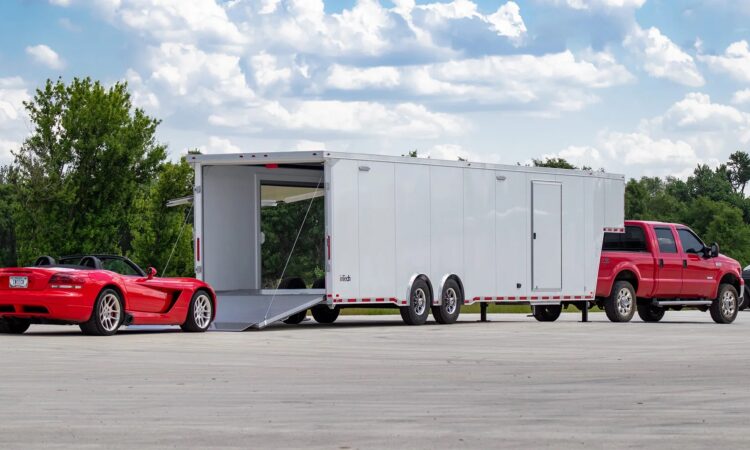
Enclosed trailers offer a high level of security, protecting your vehicle from weather conditions and potential theft. These trailers often come equipped with climate control options, adding a layer of comfort for your car or equipment in extreme temperatures. Various configurations, such as V-nose or wedge style, provide additional aerodynamics, benefitting fuel efficiency during towing. Specialty trailers, like those designed for motorsports, provide unique functionalities like integrated ramps, tire changers, or even living quarters. Selecting the right type of trailer boils down to your racing habits, storage needs, and budget considerations.
Safety First: Important Considerations for Secure Transport
When transporting a race car, safety should always be paramount. Beyond selecting a durable trailer, it’s critical to equip it with proper safety features. First, ensure that your trailer includes secure tie-down points suitable for your vehicle, as these will prevent any movement during transit. Straps should be designed specifically for this purpose; investing in high-quality, adjustable ratchet straps can go a long way in ensuring your race car remains safely in place.
Additionally, the trailer should be equipped with sufficient lighting, especially if you’re likely to load or unload at night. Having internal lighting can also help you set up your equipment in low visibility conditions. Moreover, regular checks on your trailer’s brakes, tires, and latch mechanisms cannot be emphasized enough; these aspects are critical to successful transport. Lastly, familiarize yourself with local towing regulations to ensure compliance with weight limits, trailer brakes, and licensing requirements, thus safeguarding both you and your investment.
Size Matters: How to Choose the Right Dimensions for Your Needs
Standard vs. Custom Sizes: Weighing Your Options
Choosing the right trailer size is one of the most critical decisions you’ll have to make. Standard sizes typically range from 16 to 28 feet, but that assessment can vary based on your specific needs. If you own a stock car or a compact race car, a smaller trailer may suffice, offering ease of maneuverability and cost-effectiveness. Conversely, larger vehicles or additional equipment necessitate a larger space to ensure that everything is transported without risk of damage or overcrowding.
Custom sizes are an option for those whose needs are not met by standard offerings. A custom trailer can be designed to perfectly fit your vehicle and additional gear, optimizing your storage solutions. While custom options often carry a higher price tag, the level of convenience and tailored features they provide can justify the investment. Engage with manufacturers or dealers to review how flexibility in size can impact your hauling capability, and don’t shy away from requesting specific alterations to enhance your trailer’s usability.
Balancing Weight and Space: What You Need to Know
Finding an ideal balance between weight and space is pivotal. Heavier trailers can impede towing capabilities and fuel efficiency, ultimately costing you more in the long run. When choosing your race car trailer, pay close attention to its curb weight, as lighter constructions often mean fewer structural supports, which can lead to compromises in durability. A well-engineered lightweight trailer can still be incredibly robust while providing the additional benefit of better fuel economy.
Understand the weight rating of your tow vehicle to prevent overloading, as doing so can affect braking and handling capabilities. Be mindful of where weight is distributed within the trailer, as uneven weight can cause sway and instability on the road. Inspect features like the placement of ramps, cabinets, and axles to achieve balanced weight distribution for optimal towing performance. Besides, consider the weight of your loaded gear; a well-spaced and strategically organized setup can help reduce overall stress on the trailer and improve your overall experience.
Space Utilization: Innovative Storage Solutions for Gear
Optimizing the available space within your race car trailer can transform it from a simple utility vehicle into a sophisticated mobile workspace. Start by incorporating multifunctional furniture and consider fold-down tables that can convert from a workbench to stowable storage. Installing racks for tools and spare parts helps maintain organization and allows quick access during crucial moments on race day.
Vertical storage is another innovative approach; utilizing wall-mounted hooks or pegboards can save valuable floor space. Some trailers are now fitted with additional exterior compartments or side cabinets, allowing you to navigate entry and exit without constant clutter. Don’t overlook the benefits of climate control; proper insulation within your trailer can protect sensitive gear from extreme temperatures, particularly if you’re racing in different geographic locations. Ultimately, investing thoughtfulness into space utilization can result in a highly functional environment that simplifies logistics and enhances your racing experience.
Budgeting for Your Trailer: Investing in Quality Without Breaking the Bank
Cost Breakdown: What to Expect When Buying a Race Car Trailer
Investing in a race car trailer can be a significant financial commitment. Prices vary widely depending on the size, features, and manufacturing quality, so understanding the breakdown of these costs is crucial. On average, entry-level open trailers can start around $1,500, while basic enclosed models typically range from $4,000 to $10,000. Premium, custom-built trailers can easily exceed $20,000, depending on the amenities added.
Additional costs can accumulate based on optional features you might consider essential, such as ramps, brakes, or tie-down systems. Don’t forget about maintenance costs that arise down the line average annual maintenance should be factored into your overall spending plan. Be sure to include potential parking fees if you need to rent space for your trailer when not in use. Therefore, a well-researched approach to budgeting will not only mitigate unexpected financial strain but also assist in recognizing a quality investment for your racing endeavors.
Financing Options: Making Your Purchase Work for You
Understanding financing options can ease the strain of making such a substantial purchase. Many trailer manufacturers and dealers offer financing plans tailored for buyers. These can include traditional loans from banks or credit unions, often offering lower interest rates, and dealer financing, which might feature promotional rates to attract buyers. However, assess interest terms and validate credibility; you don’t want to be ensnared in a high-interest trap.
Sometimes, using your existing vehicle as collateral for a personal loan can yield more favorable interest. Don’t overlook online platforms which sometimes provide quick and engaging financing options, such as peer-to-peer lending. Before signing, calculate your total cost versus your budget to understand your payment obligations clearly, and always read the fine print before making commitments. Staying informed allows you to maintain financial health while acquiring the trailer necessary for your racing journey.
Resale Value: How to Choose a Trailer That Holds Its Worth
Considering the resale value of a race car trailer is essential, particularly if you plan to upgrade in the future. The resale potential is guided by several factors including brand reputation, overall construction quality, materials used, and the level of upkeep during your ownership. Trailers from known manufacturers typically hold value better than lesser-known brands due to established trust and demand in the market.
Maintaining your trailer by keeping it clean, servicing it regularly, and addressing any minor repairs is vital in preserving its market value. Trailers that come with documented service histories and maintenance records attract higher resale offers. Additionally, custom trailers may have less broad appeal, impacting their resale potential significantly, whereas standardized models can often find buyers more readily.
Finally, keeping relevant features and upgrades aligned with current market trends can further boost interest in your trailer when it’s time for selling, making strategic choices now can pay dividends in the future. Ultimately, a well-cared-for, high-quality trailer can retain significant value, ensuring your investment remains solid when you decide to make a change.
Maintenance and Care: Ensuring Longevity for Your Race Car Trailer
Regular Inspections: What to Look For to Keep Your Trailer in Top Shape
Routine maintenance is tantamount to the longevity and efficiency of your race car trailer. Regular inspections should encompass several key components. Start by checking the tires for wear and tear, as they support your trailer’s weight and carry its load. Monitor the tread depth and sidewall condition, and don’t neglect the spare tire; these can be invaluable in case of emergencies. Additionally, the brakes should be assessed regularly; ensure they respond adequately and replace components that show signs of degradation.
It’s equally important to inspect the trailer’s frame and structure for any cracks or corrosion points that may compromise its integrity. Look closely at the axles and bearings; these elements experience a significant amount of stress and deterioration over time. Furthermore, assessing the electrical systems for functionality, the lights, wiring, and battery before embarkation ensures that you have no surprises when you hit the road. Routine maintenance checks bolster safety and performance and can substantially prolong the lifespan of your investment.
Winterization Tips: Preparing Your Trailer for Off-Season Storage
When the racing season winds down, properly winterizing your trailer can prevent damage and save you from unexpected repairs come spring. Begin by cleaning the trailer thoroughly to remove any dirt and debris, focusing on the tires, and checking for moisture build-up which might lead to mold or corrosion. For prolonged storage, it’s prudent to elevate the trailer slightly to relieve pressure on the tires, preventing flat spots from developing over time.
Next, ensure the electric system is winter-ready. Disconnect your battery to prevent drainage and corrosion, and consider using a trickle charger if you plan to keep it connected. Sealing any openings to the exterior can deter pests eager to make a winter home inside your trailer. Lastly, utilizing a breathable cover can shield your trailer from harsh weather without trapping moisture, ensuring that when it’s time to race again, your trailer is in prime condition.
DIY vs. Professional Care: When to Call in the Experts
Deciding between DIY maintenance and professional care often comes down to your own skills, comfort level, and the complexity of repairs needed. Simple tasks, like cleaning, oiling parts, and checking totals, are typically within reach for the average owner. However, more intricate repair work might require a professional’s expertise, particularly for critical systems involving brakes or electrical components.
Before attempting any repair, assess your capabilities honestly; take into account the tools available, the time required, and any potential risks of misdiagnosis. Many specialty trailer maintenance companies offer service packages that cover both routine inspections and major repairs, giving you peace of mind. For more challenging repairs, a professional’s experience with your specific trailer model can save you from headaches later on. Ultimately, the right balance of DIY care and professional help will help keep your trailer in the best shape for years to come.