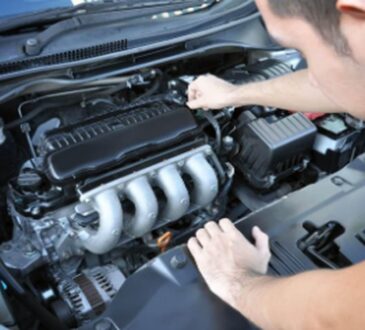
Fuel lines are vital for every running car safely. They carry fuel to the engine steadily for smooth operation. A worn line may cause leaks or pressure loss quickly. That problem can lead to engine damage and reduced performance. So routine inspections help maintain system strength and reliability. Then the driver can trust the car on all journeys. Healthy fuel lines support engine durability and overall vehicle longevity. This careful attention prevents sudden failures and costly repairs. Regular inspection keeps the car safe and reliable for years ahead.
Detecting Early Wear
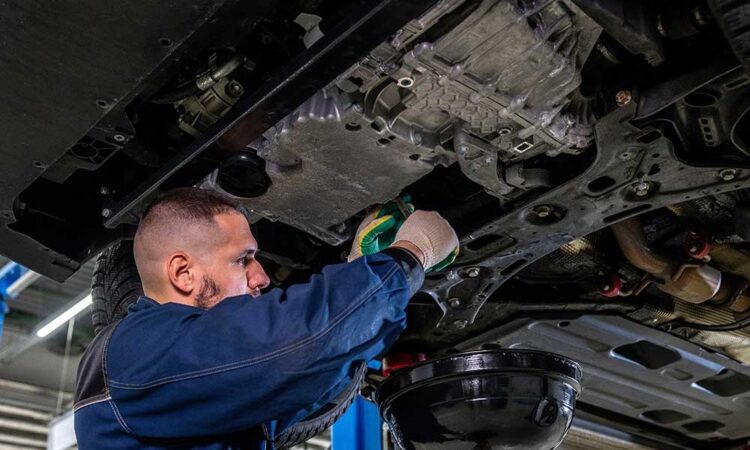
Fuel lines may develop cracks, soft spots, or bulges over time. That wear can worsen quickly if left unnoticed during driving. So the expert checks lines thoroughly during scheduled service visits. Then small issues are repaired before they grow into major problems. Early detection prevents leaks, engine strain, and sudden breakdowns on roads. A worn line can reduce fuel pressure and harm engine components. Detecting problems early protects both engine life and driver safety always. Proper attention ensures the system functions smoothly for longer periods. Routine checks by Auto Repair in Bakersfield, CA catch wear before it causes serious damage quickly.
Maintaining Fuel Efficiency
Fuel flow affects engine combustion and overall vehicle efficiency significantly. That means a clogged or weak line can reduce mileage considerably. So inspections check for contamination, deposits, and pressure drops in the system. Then the line is cleaned or repaired to restore proper flow. Maintaining fuel efficiency reduces waste, saves money, and supports eco-friendly driving. A healthy fuel line ensures engines burn fuel evenly and fully each trip. Regular inspections also help detect hidden blockages that lower performance over time. Proper flow keeps the engine responsive and prevents strain on key components. Fuel efficiency is closely linked to a well maintained fuel line system.
Supporting Engine Longevity
Fuel lines feed the engine steadily with correct pressure and flow. That steady supply reduces stress on pistons, injectors, and other internal parts. So inspections ensure lines remain strong and fully functional during use. Then the engine operates efficiently and avoids early wear or breakdowns. Supporting engine longevity saves money and extends the overall vehicle lifespan. Healthy lines prevent sudden stoppages that can damage multiple engine components. Routine inspections make sure that connected parts last longer without strain. A well maintained fuel line contributes directly to long term engine health. Preventive checks protect engines from avoidable damage caused by weak lines.
Conclusion
Routine fuel line inspections protect engines and extend overall vehicle lifespan. Experts check, clean, and repair lines to maintain steady fuel flow. Then vehicles remain reliable, efficient, and safe for daily use consistently. Inspections prevent leaks, stress, and hidden damage to critical components. So drivers benefit from improved fuel efficiency, fewer repairs, and engine longevity. Healthy lines reduce risk of fire, breakdowns, and sudden failures dangerously. Preventive care enhances performance, lowers maintenance costs, and keeps vehicles dependable always. Every inspection ensures long lasting durability and stronger vehicle performance. Regular fuel line attention is a simple step with lasting value.