Key Takeaways
- Renting a truck makes sense for short-term projects and seasonal demand.
- 10-ft lorry rental suits small to mid-sized commercial loads.
- It reduces overhead compared to owning a fleet.
- Flexible rental terms help businesses stay lean and agile.
Introduction
Owning a commercial vehicle can feel like a badge of stability. The company logo on the door, the keys in hand, the sense of control. Yet for many businesses in Singapore, ownership is not always the most practical route. Tight parking regulations, COE costs, maintenance schedules, and insurance premiums add up quickly.
That is why more companies choose to rent a truck in Singapore instead of committing to long-term ownership. The decision is rarely emotional. It is practical, sometimes even strategic. So when does renting truly make sense?
When Ownership Becomes Heavy
Buying a truck sounds straightforward. Pay for the vehicle, register it, and start moving goods. In reality, the ongoing costs can feel like a slow drip. Road tax, servicing, unexpected repairs, ERP charges, and driver management form a constant overhead.
For small and medium enterprises, especially start-ups or businesses testing a new product line, locking capital into a vehicle may not be wise. Cash flow is often better spent on inventory, marketing, or hiring.
In such cases, choosing to rent a truck in Singapore provides breathing room. Instead of carrying a long-term financial burden, companies pay only for what they use. That difference matters, especially during uncertain economic cycles.
Short-Term Projects And Seasonal Rush
Some businesses do not need a truck year-round. Think of event companies during the festive season, retailers during year-end sales, or construction firms handling a specific project in Jurong or Tampines.
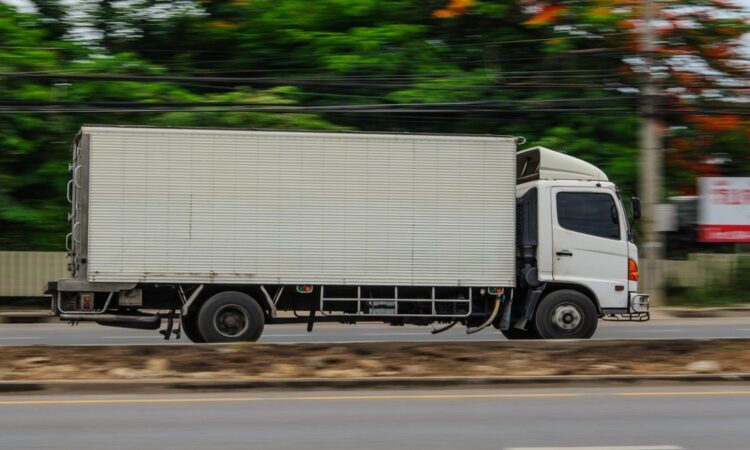
A temporary spike in demand does not justify purchasing a vehicle that will sit idle for months. This is where a 10-ft lorry rental becomes practical. The size is manageable, suitable for urban roads, and large enough to handle commercial loads without being excessive.
It is similar to renting extra tables for a wedding dinner. No one buys banquet furniture for a single evening. The same logic applies to transport.
The Sweet Spot: Why 10-Ft Works So Well
There is something about a 10-foot lorry that feels just right for Singapore’s compact layout. It is not oversized like heavy-duty trucks that struggle with tight loading bays. Yet it carries more than a van, making it ideal for furniture delivery, equipment transport, or small-scale distribution.
For many SMEs, 10-ft lorry rental hits the operational sweet spot. It supports logistics without overwhelming the budget or the driver. Parking at industrial estates in places like Ubi or Woodlands is easier. Fuel consumption stays reasonable. Manoeuvring through HDB estates or commercial carparks does not feel like solving a puzzle.
Sometimes bigger is not better. It just costs more.
Managing Risk Without Overcommitting
Another practical angle involves risk management. Vehicle depreciation in Singapore is no small matter. COE fluctuations alone can change financial projections overnight.
When companies rent a truck in Singapore, they shift part of that risk to the rental provider. Maintenance, servicing, and even breakdown support are typically included in the agreement. That means fewer surprises and less downtime.
There is a mild contradiction here. Renting may appear more expensive per day compared to ownership on paper. But once hidden costs are factored in, the equation often tilts the other way. The clarity of a fixed rental fee can be worth more than chasing marginal savings.
Cash Flow And Operational Agility
Cash flow keeps businesses alive. A truck sitting idle does not generate revenue, yet it still incurs costs. Renting changes that dynamic.
For example, a growing e-commerce brand handling bulk deliveries during a flash sale period might secure a 10-ft lorry rental for a week or two. Once the rush passes, the expense stops. No lingering liabilities.
This flexibility also supports experimentation. Companies can test new delivery routes or expansion into neighbouring districts without long-term commitment. If the strategy works, great. If not, there is no heavy asset tying the business down.
It feels lighter. And that lightness matters.
Practical Scenarios Where Renting Makes Sense
Consider a renovation contractor working on three sites simultaneously. Instead of buying another vehicle, renting ensures each team has transport during peak activity.
Or a wholesaler managing overflow stock from a warehouse in Tuas. Temporary logistics support can prevent bottlenecks without altering the company’s asset structure.
In both cases, the decision to rent a truck in Singapore supports operational continuity. It is not glamorous. It is sensible.
Conclusion
Renting a truck for commercial use is not about avoiding commitment. It is about choosing flexibility over rigidity. In Singapore’s fast-paced business environment, adaptability often beats ownership.
Whether handling seasonal demand, managing short-term projects, or maintaining healthier cash flow, 10-ft lorry rental offers a practical solution. It keeps operations moving without weighing the company down with long-term obligations.
Businesses that value efficiency, cost control, and agility should consider when it makes sense to rent a truck in Singapore rather than purchase one outright. For tailored rental solutions that fit specific commercial needs, get in touch with Edmund Vehicle Rental and keep your operations running smoothly.