At a Glance
- Volumetric scanning uses LiDAR or 3D laser scanning systems for quick, non-contact volume checks, ideal for bulk and irregular loads.
- Weighing provides an exact mass, which is required for legal compliance, road safety, and accurate trade transactions.
- Volumetric scanning is widely used in mining, freight, and warehousing, while weighing is legally required for compliance in transport, agriculture, and heavy haulage.
- Many industries now use both together, combining fast volume data with precise weight for better compliance and efficiency.
Accurate measurement is the backbone of mining, logistics, rail and heavy transport. Knowing the exact load is important for safety and profit in many sectors, including a truck full of grain, a shipment of parcels, or bulk ore.
Businesses can face costly problems when the freight is not measured correctly. Overloading fines, damaged infrastructure, and inaccurate billing can disrupt operations without reliable weighing.
To solve this problem, two primary methods are used today: volumetric scanning and weighing systems. In this article, we’ll compare them to help you understand when to use each technique and when they work best together.
What is Volumetric Scanning?
Volumetric scanning technology is an established system that employs 3D laser or LiDAR load scanning to determine the volume of a load. Rather than relying on weight, it scans the shape and size of materials to assess how much space they occupy. This technique is widely used in mining as well as in bulk haulage, warehouses, and freight service.
Volumetric scanning offers quick, non-destructive measurements of irregular shapes like coal and soil. However, it measures only volume, not actual weight, which means material density must also be known to calculate mass. Because density can change with moisture content or material type, volumetric scanning is not legally recognised for trade or road compliance.
What is Weighing?
Weighing is the process of measuring the actual mass of a load using equipment like truck scales, rail scales, weighbridges, or portable systems. Unlike scanning, it gives an exact weight.
It is used across various industries, including transport, agriculture, and construction, and is a requirement for road law compliance. It ensures accurate Gross Vehicle Mass (GVM) and truck axle scale information for vehicle safety and weighing systems compliance. Nevertheless, it requires a proper site setup, which can take a longer time for larger operations.
Volumetric Scanning vs Weighing: Key Differences
Here’s a brief comparison of volumetric scanning and weighing:
| Factor | Volumetric Scanning | Weighing Systems |
| Accuracy | Volume estimate, density dependent | Exact mass, highly precise |
| Compliance | Not legally recognised | Legally required for trade/transport |
| Speed | Fast, non-contact | Slower, vehicle-by-vehicle |
| Usability | Best for bulk/irregular materials | Essential for regulated industries |
When to Use Volumetric Scanners
Volumetric scanning isn’t the right fit for every operation. There are specific industries and use cases where it delivers clear advantages.
- Mining & Bulk Materials: Perfect for industries where volume is more critical than exact weight, such as ore stockpiles, coal, or aggregates
- Logistics & Freight: Speeds up parcel dimensioning systems and freight handling by scanning packages or containers without manual weighing
- Warehousing & Distribution: Increases throughput by allowing trucks or pallets to be scanned in motion, reducing downtime
- Construction & Agriculture: Useful for non-uniform loads like soil, grain, or waste, where traditional weighing may be less practical
- Hybrid Use with Weighing: Works best when combined with truck weighing systems to capture both density and accurate trade weight
When to Use Weighing Systems
There are also situations where weighing alone provides the accuracy and safety businesses need.
- Legal Compliance Across Transport Modes: In transport law, weighing is essential to ensure compliance with regulations across all modes of transport. This involves measuring the Gross Vehicle Mass (GVM) and axle loads, as mandated by Heavy Vehicle National Law (HVNL), which requires the use of certified weighing equipment.
- High-Risk Industries (Agriculture, Logistics & Heavy Haulage): In sectors where overloading penalties can be severe, such as mining, freight transport, and farming, volumetric scanning can improve efficiency, but weighing is still required to ensure legal compliance.
- Safety Assurance: Weighing loads properly is crucial to prevent accidents caused by excessive weight. Overweight loads can lead to longer stopping distances and damage to roads. Using accurate scales helps keep everyone on the road safe.
- Precise Trade Transactions: Reliable weighing ensures correct billing and inventory control in industries where products are purchased or sold by weight.
Best Practice: Using Both Systems Together
Many modern operators now combine volumetric scanning with weighing systems to achieve optimal results. Scanning provides details on load volume, while weighing confirms the exact mass, which ensures safety and compliance. Using both systems together reduces errors, supports compliance, and helps streamline reporting and operational efficiency.
Here are some real-world examples:
- Iron ore and coal mining operations
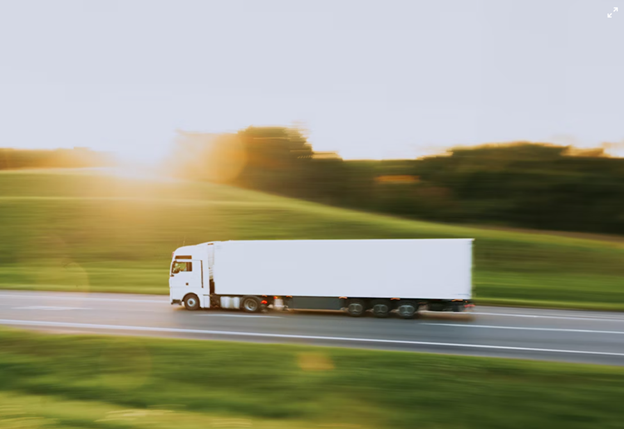
- National freight and courier networks
- Grain and livestock farming
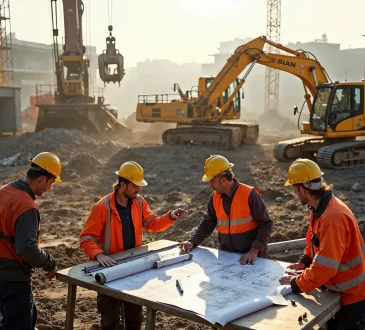
- Large-scale construction and infrastructure projects
Volumetric scanning and weighing are both key elements in transportation, mining, and logistics supply chains. Each has its own merits, and when used strategically, they can reduce costly errors and improve overall operational performance.
For accurate results from day one, partner with a trusted weighing system supplier to ensure compliance and efficiency across industries like heavy haulage, logistics, and manufacturing.