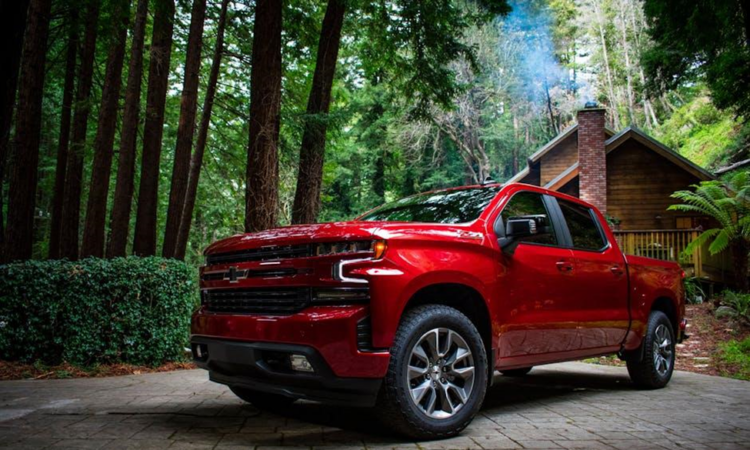
Modern trucks are amazing machines. Think of the Chevy 1500 Silverado. It is no longer just a simple work vehicle. Today’s trucks mix great power with advanced technology. This gives drivers incredible strength and comfort.
But this new complexity changes how we care for them. Basic oil changes are not enough anymore. These advanced vehicles need specialized maintenance. This is key to keeping them running perfectly. It also helps them last longer and stay safe.
In this guide, we will look at why specialized care is so important. We will cover everything from powerful engines to smart safety systems. Learning about these needs protects your truck and your investment. For example, keeping a Chevy 1500 Silverado in top shape often needs specific skills and tools. This is where Chevy Silverado certified service becomes very important.

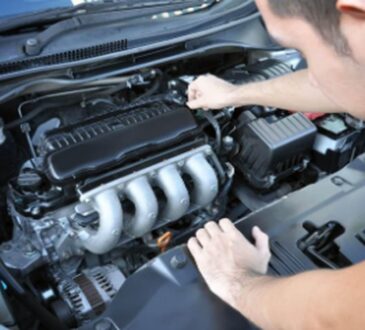
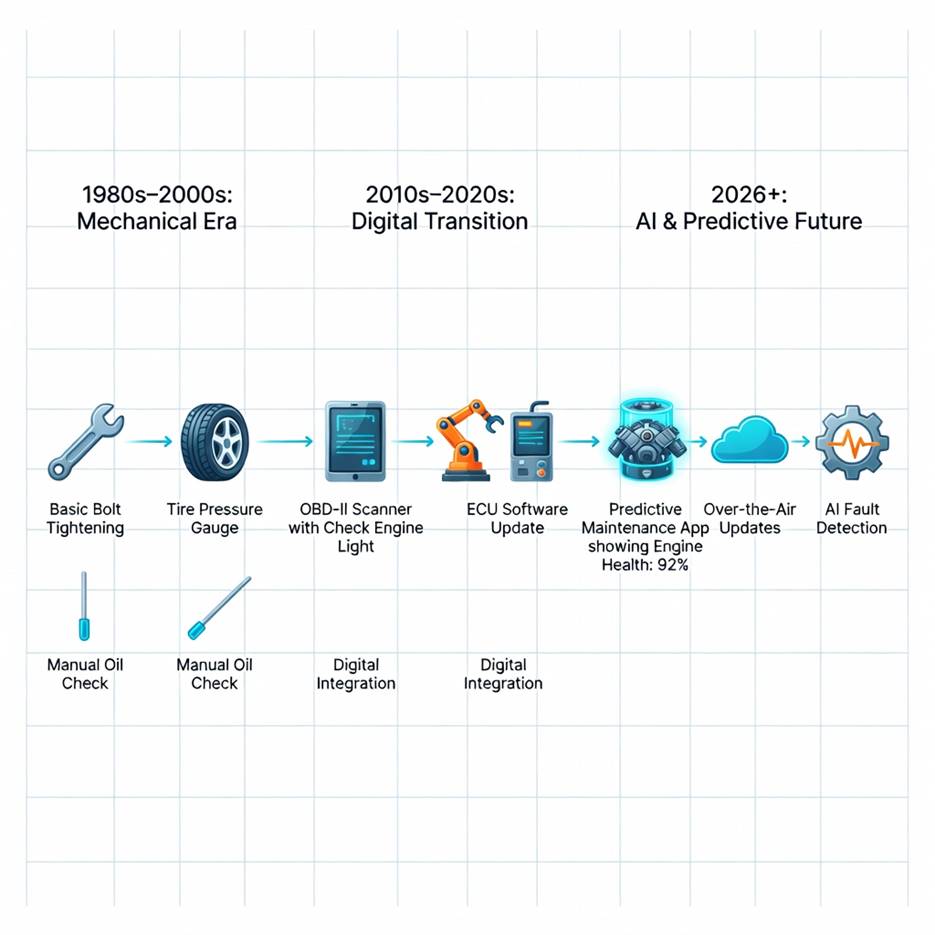
Modern vehicles, especially full-size pickups like the Chevy 1500 Silverado, are marvels of engineering. They combine robust mechanical components with intricate electronic systems, high-strength materials, and sophisticated software. This integration means that their maintenance requirements have evolved significantly. Gone are the days when a simple wrench and a general understanding of mechanics were sufficient. Today, specialized diagnostic tools, factory-trained technicians, and access to genuine OEM parts are non-negotiable for proper care. The structural integrity, electronic harmony, and overall performance of these vehicles depend entirely on adherence to manufacturer-specified service protocols.
The longevity and optimal performance of a modern truck like the Chevy 1500 Silverado hinge significantly on the quality of its maintenance. Certified auto service, delivered by technicians who are specifically trained by the manufacturer, ensures that every aspect of your vehicle is addressed according to the highest standards. This commitment to excellence goes beyond routine fluid changes; it encompasses a deep understanding of the vehicle’s intricate systems, from its high-strength steel frame to its complex electronic architecture.
Why Modern Electronics Require Certified Auto Service
Today’s trucks are essentially computers on wheels, and the Chevy 1500 Silverado is no exception. Its sophisticated electronic systems are integral to everything from engine management to passenger comfort and safety. Consider the advanced infotainment systems, often featuring large 13.4-inch diagonal touchscreens that integrate navigation, communication, and entertainment. These systems are connected to an array of sensors throughout the vehicle, enabling features like wireless Apple CarPlay and Android Auto, and even a Wi-Fi Hotspot.
These components are not just add-ons; they are deeply integrated into the vehicle’s operational framework. For instance, the performance of a wireless Apple CarPlay connection relies on the seamless interaction between the vehicle’s head unit, its electrical system, and the device itself. A certified technician understands the intricate wiring diagrams, software protocols, and potential interference issues that can arise. They possess the specialized diagnostic tools capable of communicating with these complex systems, identifying software glitches, and performing necessary updates or recalibrations.
Furthermore, many modern vehicle features, including powertrain controls and safety systems, receive over-the-air updates. Ensuring these updates are installed correctly and that they don’t introduce unforeseen compatibility issues requires expertise that only factory-trained professionals typically possess. Without this specialized knowledge, attempting to diagnose or repair electronic issues can lead to further complications, reduced functionality, or even compromise the vehicle’s overall safety.
The Long-Term Value of Certified Auto Service for Resale
Beyond immediate operational benefits, certified auto service plays a crucial role in preserving the long-term value of your Chevy 1500 Silverado. When it comes time to sell or trade in your truck, a meticulously documented service history from a certified facility is a significant asset.
Maintenance Documentation: Detailed records from certified service centers provide a transparent and verifiable history of care. This documentation assures potential buyers that the vehicle has been maintained according to manufacturer specifications, using genuine parts and approved procedures. This can significantly enhance buyer confidence and, consequently, the resale value.
Vehicle History Reports: Services like CARFAX compile comprehensive vehicle history reports. When a truck receives certified service, these events are often recorded, contributing to a clean and complete history. A thorough vehicle history report, free from red flags related to improper maintenance or unreported issues, is invaluable in the used vehicle market.
Warranty Compliance: Adhering to the manufacturer’s recommended service schedule at a certified center is often a prerequisite for maintaining warranty coverage. Should a major component fail within the warranty period, having a complete record of certified service ensures that your claim will be processed smoothly, protecting you from potentially costly out-of-pocket repairs. The 2026 Silverado 1500 typically comes with a standard warranty package, including a 3-year/36,000-mile bumper-to-bumper warranty and a 5-year/60,000-mile powertrain warranty. Maintaining this coverage through certified service is paramount.
Genuine Parts: Certified service centers exclusively use genuine OEM (Original Equipment Manufacturer) parts. These parts are designed and tested to meet the exact specifications of your Chevy 1500 Silverado, ensuring proper fit, function, and durability. Using aftermarket or generic parts, while sometimes cheaper upfront, can lead to premature wear, compatibility issues, and may void certain warranty provisions.
Structural Longevity: Modern trucks utilize advanced materials and construction techniques, such as roll-formed high-strength steel in the Durabed, to enhance durability and safety. Repairs or replacements involving these structural components require specialized equipment and training to maintain the vehicle’s original integrity. Certified technicians are equipped to handle these complex repairs, ensuring the truck’s structural longevity and safety performance are preserved.
Investing in certified auto service for your Chevy 1500 Silverado is not just about keeping it running today; it’s about safeguarding its performance, reliability, and financial value for years to come.
Advanced Powertrains and the Need for Precision Care
The heart of any truck is its powertrain, and modern engines and transmissions are engineering marvels that demand specialized attention. The Chevy 1500 Silverado offers a range of powerful and efficient options, each with unique maintenance requirements that go beyond basic fluid checks.
For instance, the robust 5.3L EcoTec3 V8 engine, delivering an impressive 355 horsepower, is a workhorse designed for both power and efficiency. This engine often incorporates advanced technologies like Active Fuel Management (AFM) or Dynamic Fuel Management (DFM), which can seamlessly deactivate cylinders to save fuel under light loads. While brilliant for fuel economy, these systems rely on precise sensor readings and valve operation. Any deviation, perhaps from incorrect oil viscosity or contaminated components, can impact their efficiency and longevity.
Similarly, the available 2.7L TurboMax engine is a testament to modern engine design, offering substantial torque (up to 430 lb-ft) from a smaller displacement. Turbocharged engines operate under higher heat and pressure, making the quality and type of engine oil critically important. They also have more complex air intake and exhaust systems, including intercoolers, which require specific checks to ensure optimal performance and prevent carbon buildup.
Pairing these engines with an advanced transmission, such as the 10-speed automatic transmission found in many Silverado configurations (especially 4-wheel drive models), further elevates the need for precision care. These transmissions are designed for smooth, efficient power delivery across a wide range of speeds and loads. Their intricate valve bodies, numerous clutches, and sophisticated electronic controls mean that transmission fluid quality, level, and proper filtration are paramount. Using the incorrect fluid type or neglecting scheduled changes can lead to sluggish shifts, increased wear, and costly repairs.
Precision lubrication is not just about the engine and transmission; it extends to differentials, transfer cases (in 4×4 models), and other driveline components. For a truck with a 9,600 lbs trailering capacity, the driveline components are under immense stress. Ensuring they are properly lubricated with manufacturer-specified fluids is essential to handle heavy loads and maintain durability.
Certified technicians are trained specifically on these advanced powertrains. They understand the nuances of AFM/DFM systems, the specific oil requirements for turbocharged engines, and the complex diagnostic procedures for modern transmissions. They use specialized tools to accurately assess fluid conditions, check for leaks, and perform software recalibrations that ensure all components work in perfect harmony. This level of precision care is vital for maintaining the performance, fuel economy (e.g., 15 City / 19 Highway MPG for the 5.3L V8), and long-term reliability of your Chevy 1500 Silverado.
Maintaining Sophisticated Safety and Driver Assistance Systems
Modern trucks are not just powerful; they are also incredibly safe, thanks to an array of sophisticated safety and driver assistance systems. These technologies, collectively known as Advanced Driver Assistance Systems (ADAS), are designed to prevent accidents, mitigate their severity, and enhance driver awareness. For the Chevy 1500 Silverado, this includes the comprehensive Chevy Safety Assist suite, which integrates several critical features.
Chevy Safety Assist typically includes:
- Forward Collision Alert: Warns the driver of potential front-end collisions.
- Automatic Emergency Braking: Can automatically apply the brakes to help avoid or reduce the severity of a front-end collision.
- Lane Keep Assist with Lane Departure Warning: Helps the driver avoid unintentional lane drifts by gently steering the vehicle back into its lane and providing warnings.
Beyond these core features, many Silverado models offer additional advanced aids such as Blind Spot Monitoring, Rear Cross Traffic Alert, and even Super Cruise hands-free driving technology (available on higher trims like the High Country).
The effectiveness of these systems relies entirely on the precise calibration and functionality of their numerous sensors, cameras, and radar units. A front-facing camera, often mounted on the windshield, is crucial for Lane Keep Assist and Forward Collision Alert. If this camera’s alignment is even slightly off, perhaps due to a windshield replacement or a minor fender bender, the system may not function correctly, potentially leading to inaccurate warnings or improper braking.
Similarly, radar sensors, typically located in the front bumper or behind the grille, are vital for adaptive cruise control and automatic emergency braking. These sensors must be free from obstructions and perfectly aligned to accurately detect objects and distances. Even a small amount of dirt, ice, or a minor impact can compromise their performance.
Maintaining these systems requires specialized knowledge and equipment. Certified technicians use precise calibration tools to ensure that all sensors and cameras are correctly aligned and communicating effectively with the vehicle’s central computer. They can diagnose software issues that might affect ADAS performance and perform necessary updates. Given the Chevy 1500 Silverado’s 5 out of 5 stars NHTSA Overall Safety Rating, ensuring these systems are always in peak condition is not just about convenience; it’s about preserving the vehicle’s inherent safety capabilities and protecting its occupants. Without proper calibration and maintenance, the very features designed to keep you safe could become unreliable.
Maximizing Utility: Towing and Bed Technology Maintenance
The Chevy 1500 Silverado is renowned for its utility, especially its towing and hauling capabilities. Modern trucks integrate sophisticated technologies to make these tasks safer and more efficient. Proper maintenance of these features is crucial to ensure they perform reliably when you need them most.
A well-equipped Silverado, especially one with a Trailering Package, is designed to handle significant loads. The specific 2026 model, for instance, boasts a trailering capacity of 9,600 lbs. Achieving and maintaining this capability involves more than just a powerful engine. It requires the integrity of the entire towing system:
- Trailer Hitch and Wiring: Regular inspection for rust, damage, and secure electrical connections is essential.
- Brake System: The truck’s brakes, especially if equipped with an integrated trailer brake controller, must be in top condition to handle the added weight of a trailer.
- Suspension Components: Springs, shocks, and axles bear the brunt of heavy loads and require periodic inspection for wear and tear.
- Auto-Locking Rear Differential: This feature enhances traction, especially when towing on uneven terrain. Its fluid levels and mechanical operation need to be checked to ensure it engages smoothly and effectively.
The Durabed, a hallmark of the Silverado, is constructed from roll-formed high-strength steel, making it incredibly durable. While robust, even the bed benefits from care. If equipped with a Chevytec spray-on bedliner, periodic checks for peeling or damage can prevent rust and maintain its protective qualities.
One of the most innovative features is the Multi-Flex Tailgate, offering six versatile functions. The hinges and locking mechanisms of this complex tailgate require lubrication and inspection to ensure smooth operation and prevent wear. Any debris or corrosion can impede its functionality, reducing its utility.
For those who frequently tow, the integrated trailer brake controller is a game-changer, providing seamless braking for your trailer. Ensuring this system is properly calibrated and free from electrical faults is vital for safe towing. Additionally, advanced towing features like trailer tire pressure sensors and auxiliary cameras (providing up to 14 views on some models) require their own maintenance—checking sensor battery life, ensuring camera lenses are clean and unobstructed, and verifying their integration with the infotainment system.
Essential Towing System Inspections:
- Hitch Assembly: Check for cracks, rust, loose bolts, and proper receiver fit.
- Wiring Harness: Inspect for frayed wires, corrosion, and secure connections to ensure trailer lights and brakes function.
- Trailer Brake Controller: Verify proper function and calibration with the trailer.
- Tires (Truck and Trailer): Ensure correct inflation pressures and adequate tread depth for both the truck and the trailer tires.
- Suspension Components: Look for sagging, leaks in shocks, or damaged bushings.
- Driveline Fluids: Check levels and condition of differential and transfer case fluids.
- Multi-Flex Tailgate: Lubricate hinges and inspect locking mechanisms for smooth operation.
- Camera Lenses: Clean all camera lenses (rearview, auxiliary trailer cameras) for clear visibility.
By paying close attention to these specialized maintenance needs, you ensure that your Chevy 1500 Silverado remains a reliable and safe partner for all your demanding tasks, from daily commutes to heavy-duty hauling.
Frequently Asked Questions about Specialized Truck Care
Modern trucks like the Chevy 1500 Silverado are complex machines, and their specialized maintenance needs often raise common questions among owners. Here, we address some of these inquiries to help you understand why precision care is paramount for your vehicle.
What is the benefit of using factory-specified fluids in high-capacity engines?
Using factory-specified fluids in high-capacity engines, such as the 5.3L EcoTec3 V8 or the 2.7L TurboMax, is not merely a recommendation; it’s a necessity for optimal performance and longevity. These fluids (engine oil, transmission fluid, coolant, differential fluid) are engineered to meet the exact chemical and physical properties required by the engine’s design.
For example, engine oils specified by the manufacturer are formulated with specific viscosities and additive packages to withstand the extreme temperatures and pressures generated by modern engines, particularly turbocharged variants. They are designed to lubricate intricate components like variable valve timing systems and turbocharger bearings, protect against wear, and manage heat effectively. Using an incorrect or lower-quality fluid can lead to:
- Reduced Lubrication: Causing premature wear on critical engine and transmission components.
- Inefficient Cooling: Leading to overheating and potential damage.
- System Malfunctions: Affecting the performance of advanced systems like Active Fuel Management or the smooth operation of a 10-speed automatic transmission.
- Voided Warranty: Manufacturers can deny warranty claims if non-specified fluids are found to have contributed to a component failure.
Factory-specified fluids are an integral part of the engine and transmission’s design, ensuring they perform as intended and last for their designed lifespan.
How often should advanced driver assistance sensors be recalibrated?
The recalibration frequency for advanced driver assistance system (ADAS) sensors can vary depending on several factors, but it’s often more frequent than many owners realize. While there isn’t a universal schedule like an oil change, recalibration is typically required after:
- Windshield Replacement: Especially if the windshield houses a camera for systems like Forward Collision Alert or Lane Keep Assist. Even a fraction of a millimeter misalignment can throw off the camera’s field of view.
- Front Bumper Replacement or Repair: Radar sensors, crucial for Automatic Emergency Braking and Adaptive Cruise Control, are often located in the bumper. Any repair to this area necessitates recalibration.
- Suspension Work: Changes to the vehicle’s ride height or alignment can affect how sensors perceive the road and surroundings.
- Wheel Alignment: Similar to suspension work, a professional wheel alignment can impact sensor accuracy.
- Diagnostic Trouble Codes (DTCs): If the vehicle’s diagnostic system detects an issue with an ADAS sensor, recalibration is often part of the repair process.
- Accident or Impact: Even minor impacts can shift sensors, requiring them to be recalibrated to ensure accuracy.
These recalibrations require specialized equipment and expertise. Certified service centers have the necessary tools and training to perform these precise adjustments, ensuring your Chevy Safety Assist and other ADAS features function correctly to maintain the vehicle’s 5-star safety rating.
Does specialized maintenance impact the performance of heavy-duty trailering systems?
Absolutely. Specialized maintenance directly impacts the performance, safety, and longevity of heavy-duty trailering systems. A truck like the Chevy 1500 Silverado, capable of towing up to 9,600 lbs, relies on a complex interplay of components to handle such loads safely.
Specialized maintenance ensures:
- Optimal Braking Performance: Regular inspection and maintenance of the truck’s brake system, including pads, rotors, and fluid, are critical. If equipped, the integrated trailer brake controller also needs to be checked for proper function and calibration.
- Driveline Integrity: The differential, transfer case, and transmission are all under increased stress when towing. Specialized maintenance involves checking fluid levels and condition, inspecting for leaks, and ensuring all components are free from excessive wear.
- Suspension Health: Springs, shocks, and bushings are vital for stability and load distribution. Specialized checks can identify early signs of fatigue or damage, preventing potential failures under heavy loads.
- Tire Condition: Proper tire inflation, rotation, and inspection for wear are crucial for both the truck and the trailer. Specialized service can advise on appropriate tire types for towing.
- Electrical Systems: The trailer wiring harness, including connections for lights and auxiliary power, needs to be free from corrosion and damage. Specialized technicians can diagnose electrical issues that might affect trailer functionality.
Neglecting these aspects can lead to reduced towing capacity, compromised safety (e.g., inadequate braking, loss of stability), increased wear on components, and potentially dangerous situations on the road. Specialized maintenance, performed by trained professionals, ensures that every part of your Silverado’s trailering system is ready to safely and efficiently handle the demands of heavy loads.
Conclusion
Modern trucks, exemplified by the advanced Chevy 1500 Silverado, are sophisticated machines that blend raw power with cutting-edge technology. This complexity, while enhancing capability and comfort, fundamentally changes their maintenance requirements. As we’ve explored, from the intricate electronic systems governing infotainment and safety to the high-performance powertrains and robust towing technologies, every aspect of these vehicles demands a level of care that goes beyond traditional service.
Investing in specialized maintenance is not merely an expense; it is a critical investment in the long-term reliability, safety, and retained value of your truck. It ensures that every component, from the smallest sensor to the largest engine part, functions precisely as engineered. This commitment to precision care safeguards your investment, guarantees optimal performance, and provides the peace of mind that comes from knowing your vehicle is maintained to the highest possible standards. For the discerning owner, choosing specialized, certified service is the only way to truly protect the integrity and extend the life of their modern Chevy 1500 Silverado.