I spend a lot of time studying diesel fuel problems because cold starts, poor fuel quality, and injector wear create expensive downtime. You already know diesel engines demand clean, stable fuel. My role here is to help you think clearly about prevention, emergency fixes, and long term care, based on how these systems behave in real conditions. I look at products that solve multiple problems, work across seasons, and stay safe for modern engines.
When people ask where to start, I often point them to established manufacturers with a deep diesel focus, such as Howes Products, because consistency, fuel compatibility, and clear performance goals matter more than bold claims. I will walk you through how to approach diesel treatment, winter protection, injector cleaning, and lubrication, and how each solution fits into a practical plan.
Why diesel fuel problems start in the first place
Diesel fuel reacts to temperature, moisture, and storage conditions. In cold weather, wax crystals form and restrict fuel flow. Water enters tanks through condensation. Low sulfur fuel reduces natural lubricity. Injectors collect deposits over time.
If you ignore these factors, you face common issues:
- Hard starts and rough idle
- Fuel filter plugging
- Loss of power
- Poor fuel economy
- Stalled engines in winter
I always tell people to think in layers. Prevent gelling before it happens. Add lubricity year round. Clean injectors before performance drops. Keep an emergency option ready.
Choosing a winter diesel additive that actually prevents gelling
A winter diesel additive should stop wax crystals from forming, manage water, and protect injectors. Alcohol based formulas can dry seals and harm components. I avoid those.
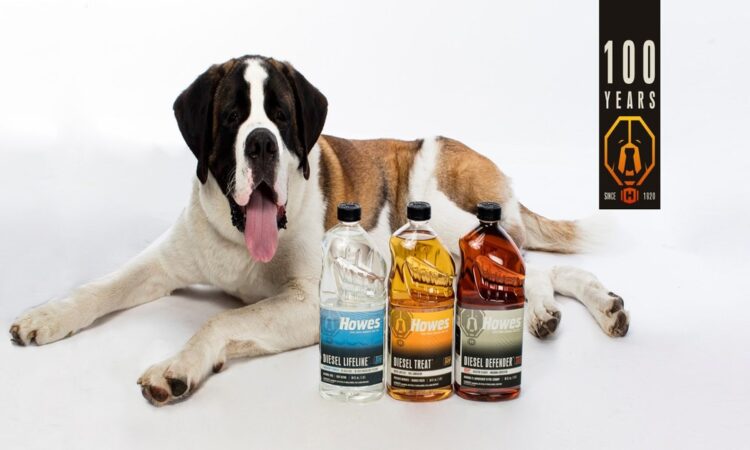
Diesel Treat fits what I look for in cold weather protection. They designed it to prevent gelling, remove water, and add lubricity without alcohol or harsh solvents. It works with all diesel and biodiesel blends, including home heating oil, which matters if you operate across different fuel sources.
From a strategy view, I like that it handles multiple risks in one step:
- Prevents fuel gelling in cold weather
- Removes water that causes filter icing
- Improves injector and pump lubrication
- Reduces smoke and rough idle
That makes it a strong choice for anyone who wants fewer winter variables to manage.
How to fix gelled diesel fuel during a winter emergency
Even with planning, cold snaps happen. I advise keeping an emergency product available because once fuel gels, standard additives cannot help.
Diesel Lifeline exists for this exact problem. It is designed to re-liquefy gelled diesel and de-ice frozen fuel filters without pre-mixing or filter changes. It works in extreme cold and stays petroleum based, which avoids damage to seals and components.
When fuel gels, speed matters. A product that works directly in the system saves time, prevents towing, and gets equipment running again with minimal disruption.
Improving diesel lubricity and injector cleanliness
Modern diesel fuel lacks the lubricating qualities older engines relied on. This leads to injector wear and deposits that reduce efficiency. I recommend addressing lubricity and cleanliness as a routine practice, not a repair step.
Diesel Defender focuses on these issues. They formulated it to deliver high lubricity while cleaning injectors with IDX4 detergent technology. The goal is better combustion, cleaner injectors, and improved fuel economy without harming emissions systems.
From a practical angle, this type of additive helps:
- Protect injectors and fuel pumps
- Remove internal diesel injector deposits
- Improve throttle response and power
- Support consistent fuel economy
It fits well as a warm weather or year round maintenance option.
Stabilizing fuel and cleaning systems for heavy equipment
If you store fuel or operate agricultural or industrial equipment, fuel stability matters. Sediment, microbial growth, and injector buildup create reliability problems.
Meaner Power Kleaner targets these concerns. It stabilizes fuel, removes deposits, adds lubricity, and manages water without solvents. I see value in products that handle storage and performance at the same time, especially for seasonal equipment.
This approach reduces downtime and keeps engines ready when they return to service.
Using penetrating lubricants and multi purpose protection
Diesel ownership extends beyond fuel. Corrosion, stuck parts, and moisture intrusion affect reliability. A penetrating lubricant that displaces water and protects surfaces plays a role in overall maintenance.
Howes Multi Purpose lubricant serves this function. It penetrates, lubricates, and protects without evaporating quickly. I see it as a practical tool for freeing seized components, protecting electrical connections, and preventing rust across equipment and vehicles.
Building a complete diesel care plan
I recommend thinking of diesel additives as a system:
- Use an anti-gel and conditioner before winter
- Keep an emergency reliquefier available
- Add lubricity and injector cleaning during normal operation
- Stabilize stored fuel and heavy equipment supplies
- Protect mechanical components with proper lubrication
Howes offers solutions across each of these areas, which simplifies decision making and reduces product overlap.
Why consistency matters more than claims
I look for manufacturers that focus on diesel systems, test products across real conditions, and stand behind performance guarantees. Longevity, compatibility, and safety matter more than bold language.
Choosing a brand with a full diesel focused lineup allows you to stay consistent, avoid conflicting formulas, and protect your engine through changing conditions.
If you apply these strategies, you reduce breakdown risk, protect expensive components, and keep diesel engines running as intended, even in harsh weather.