

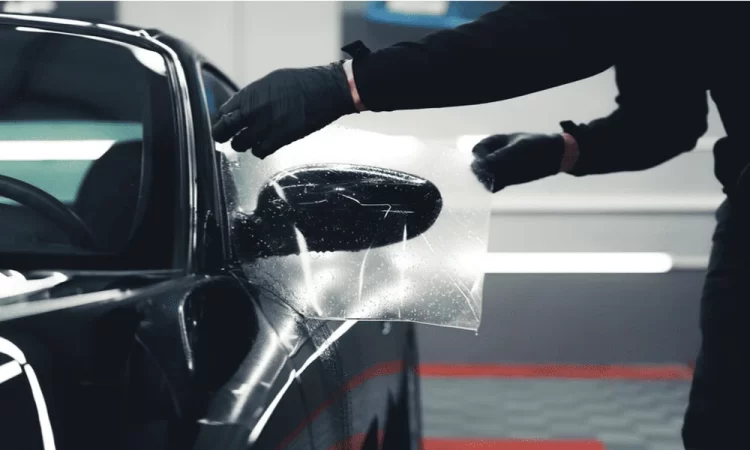

Most people who choose a matte white finish make the decision in a matter of seconds. They see a car with that soft, chalk-like surface parked in the sun and something about it just works. The care routine is usually an afterthought, and that is where problems begin. A matte surface does not fail because of one big mistake. It slowly loses its even look through dozens of small habits carried over from caring for gloss paint.
The good news is that looking after matte white film is not difficult once those habits are adjusted. This guide focuses on the practical side: what to use, what to avoid and how to keep the finish looking consistent for years rather than months.
Understanding Why Matte Behaves Differently
A gloss surface is smooth. Light hits it and reflects in a tidy, predictable way, which creates shine. A matte surface has a fine texture that scatters light in many directions, so it looks flat rather than reflective.
That texture is the key to everything. Anything that fills it in, such as wax, polish or silicone-based detailers, makes the surface smoother in that spot. A smoother spot reflects more light, which shows up as a shiny patch. Anything that wears the texture unevenly, such as aggressive scrubbing, does the same thing.
So the goal of matte care is simple to describe: clean the surface without filling or flattening its texture.
Why Film Is the Easier Way to Live With Matte
Matte paint has a reputation for being high-maintenance, and part of the reason is repair. A scratch on matte paint cannot be polished out like it can on gloss, because polishing creates shine. Repairs often mean repainting a full panel.
A matte ppf white moves the finish onto a protective layer. The texture lives in the film’s top coat, not in the paint. If a panel is damaged, the film on that panel can be replaced, and the paint underneath has been protected throughout. That alone makes matte far more practical for daily drivers.
Film also adds impact protection. A thermoplastic polyurethane base absorbs many of the small stones and grit that chip paint on fast roads, which is particularly useful on a light colour where chips stand out.
Building a Washing Routine That Works
Rinse first, and rinse well
Most scratches and uneven wear come from dragging dirt across the surface. A thorough rinse with a hose or pressure washer, kept at a sensible distance from film edges, removes loose grit before you touch the car.
Choose a matte-safe shampoo
Look for shampoos labelled for matte or satin finishes. These are formulated without gloss enhancers or waxes. A pH-neutral product is a sensible default.
Use the two-bucket method
One bucket holds soapy water, the other holds clean rinse water. Rinsing the wash mitt between panels keeps grit out of the soapy water and off the film.
Wash gently, in straight lines
There is no need to scrub. Light pressure with a soft mitt is enough. Straight passes are easier to control than circular motions and reduce the chance of uneven wear.
Dry without rubbing
A plush microfibre towel laid on the surface and patted, or a car dryer blowing air across the panels, removes water without friction. Letting water dry naturally can leave mineral spots, especially in hard water areas.
Dealing With the Usual Contaminants
Matte white shows stains more readily than many finishes, so quick action matters.
Bird droppings are acidic and can mark the top coat if left in the sun. Soften them with a matte-safe detailer and lift them away with a soft cloth rather than wiping hard.
Insect residue builds up on the front bumper and mirrors during warm months. A dedicated bug remover that is safe for film, used promptly, prevents it from baking on.
Tree sap is sticky and stubborn. A product designed for sap removal on film, applied gently, works better than scraping.
Road tar can collect on lower panels. Use a film-safe tar remover rather than strong solvents.
In every case, test a new product on a small, hidden area first.
The Products to Keep Away From
Some products that are perfectly fine on gloss paint should not touch matte film.
Wax and sealants fill the texture and create shine. Polishes and compounds abrade the surface and leave glossy areas. Gloss-enhancing quick detailers do exactly what their name suggests. Automatic car washes with rotating brushes can wear the surface unevenly, while some touchless washes use harsh chemicals that may not suit every film.
If you are unsure about a product, the safest approach is to ask the installer which brands they recommend for the specific film on your car.
Protecting the Finish Between Washes
Where the car lives affects how it ages. Parking under trees means more sap and droppings. Parking in full sun all day means more UV exposure and faster baking of contaminants. A garage or covered space is ideal, but even choosing a spot away from trees helps.
Some owners add a coating designed for matte film. These can make dirt release more easily and add some stain resistance. The important thing is compatibility: the coating should be made for matte surfaces and approved for use on the film you have.
A small kit in the boot, with a bottle of matte-safe detailer and two clean microfibre cloths, allows quick spot cleaning before minor marks become stains.
What to Do if Something Goes Wrong
If a shiny patch appears, stop using whatever product caused it. Sometimes a matte-safe cleaner can remove a light residue. If it does not, the installer may be able to advise.
If a panel is scratched or torn, film has an advantage: that panel can be replaced. Contact the installer rather than trying to repair it yourself, because heat guns and polishing can easily make the problem worse.
If an edge starts lifting, have it checked early. Small lifts are usually simple to fix. Left alone, they collect dirt and become harder to repair.
A Finish That Rewards Consistency
Matte white is not fragile, but it is honest. It shows whether it has been cared for correctly. Owners who wash gently, choose the right products and deal with contaminants quickly can expect the surface to keep its even, velvety look for a long time.
Think of it less as extra work and more as a different routine. Once the habits are in place, caring for matte white film takes no longer than caring for gloss paint, and the result is a finish that stands out for all the right reasons.